When planning a successful pediatric dental office, every detail matters. From the waiting area to the treatment rooms, thoughtful pediatric dental office design can help children feel more comfortable, reduce anxiety, and support a better overall patient experience.
One feature that we love to focus on is the brushing area.
A fun, well-designed brushing station for a dental office can do far more than provide a place for children to brush their teeth. In a themed pediatric dental office, it can become an educational tool, a confidence-building moment, and an important part of how your team teaches healthy habits.
For pediatric dentists, brushing stations and brushing mirrors for dental offices offer a practical way to combine preventive education with child-friendly design.
Why Brushing Stations Matter in Pediatric Dental Office Design
Children learn best when they can see, copy, and practice. That is why a brushing station can be such a valuable part of dental office design for children.
Instead of only telling young patients how to brush, your team can show them. A brushing mirror gives children the chance to watch themselves while they practice, making the lesson more interactive and easier to remember.
In a pediatric dental office, these moments matter. A child who is relaxed and engaged is often more willing to listen, participate, and leave with a positive memory of the visit. That is one reason why thoughtful kids dental office design is about more than appearance. It should support the way children move through the space, learn in the space, and feel in the space.
The Purpose of a Fun Brushing Station in a Pediatric Dental Office
A fun brushing station is not just there to look cute. It has a real purpose in a pediatric dentist office.
When brushing feels playful and approachable, children are more likely to take part. A themed or colorful station helps turn oral hygiene into a hands-on activity instead of a lecture. That can make it easier for dental staff to teach technique, reinforce good habits, and create a more positive emotional connection to brushing.
A well-planned brushing station for a dental office can help:
make oral hygiene instruction more engaging
encourage children to practice brushing in the office
support parent education during the appointment
reinforce preventive care in a memorable way
strengthen the child-friendly identity of the practice
For dental teams looking for practical pediatric dentist office ideas, brushing stations are one of the simplest ways to combine education, theming, and function.
What Dental Staff Can Teach at a Brushing Station
A brushing station gives your team a dedicated place to teach oral hygiene education for kids in a visual, hands-on way.
It can be used to show children:
where to place the toothbrush
how to brush gently and thoroughly
how long brushing should last
how much toothpaste to use
when a parent should help at home
why brushing every day matters
Because the child is learning in front of a mirror, the lesson becomes more active. Instead of just hearing instructions, they can see what they are doing and practice in real time.
That makes brushing stations a smart addition to any pediatric dental office design strategy focused on education and patient experience.
Tips for Teaching Kids to Brush in the Office
A brushing station becomes even more effective when your team uses it intentionally. Here are a few simple ways dental staff can make the most of it.
1. Demonstrate First, Then Let the Child Try
Show the brushing motion before asking the child to copy it. Children often learn faster through imitation than explanation.
2. Keep Instructions Simple
Short, repeatable guidance works best. Focus on one or two easy points the child can remember after the visit.
3. Use Child-Friendly Language
Fun, visual phrasing can make a brushing lesson feel less clinical and more approachable.
4. Include the Parent
Parents and guardians know how to brush their own teeth, but do they know how to share that information with a child? A brushing station is also a good place to guide caregivers on how to support brushing at home.
5. Praise Specific Actions
Pointing out exactly what the child did well helps reinforce the behavior and makes the lesson feel achievable.
6. Build It Into the Appointment Flow
When brushing instruction becomes a regular part of visits, it strengthens your pediatric dental patient experience and reinforces your office’s focus on prevention.
Product Spotlight: IDS Brushing Stations and Brushing Mirrors
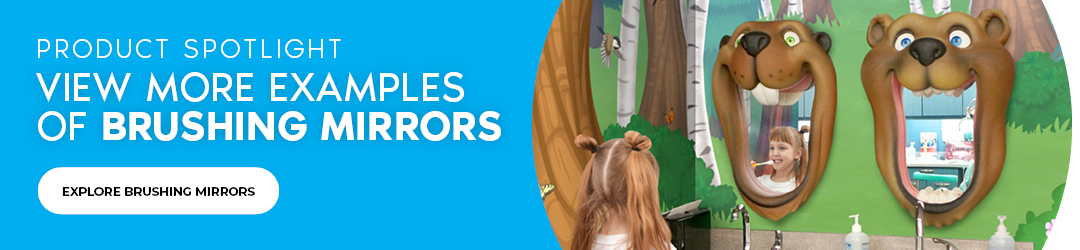
IDS offers brushing stations and brushing mirrors for dental offices that are designed specifically for child-friendly spaces. These products help transform a standard brushing area into an engaging feature within a pediatric dental office.
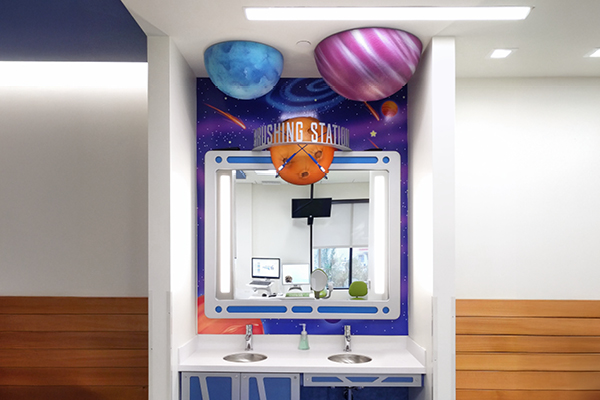
A colorful hand washing station with a space theme.
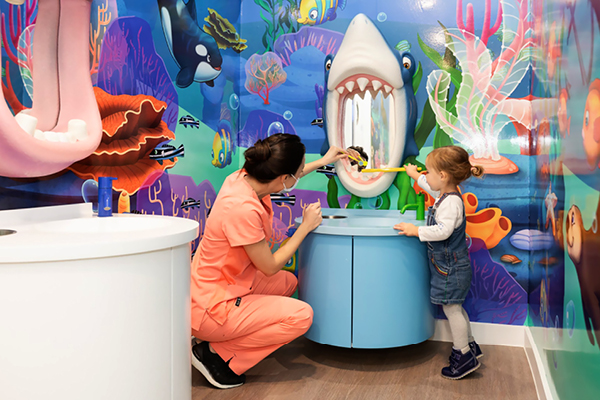
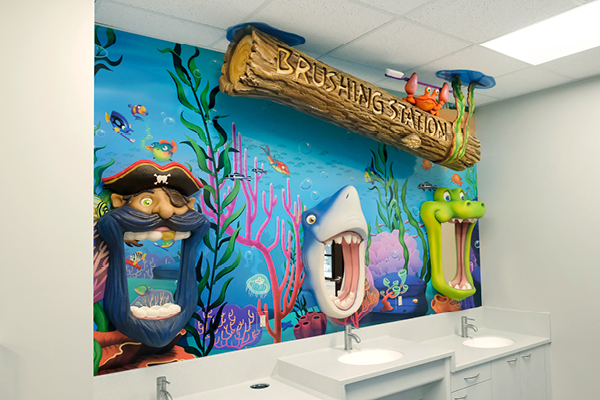
A colorful undersea themed children’s brushing station with cartoon pirate, shark, and alligator heads.
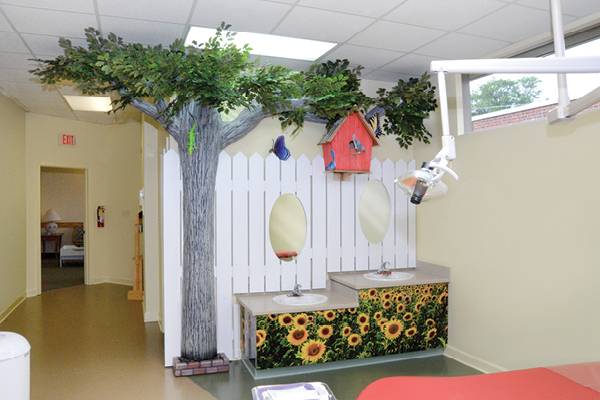
A dentists office featuring a large artificial tree, birdhouse, butterflies, a white picket fence, sunflower-themed cabinets, and oval mirrors, creating a cheerful, outdoorsy atmosphere.
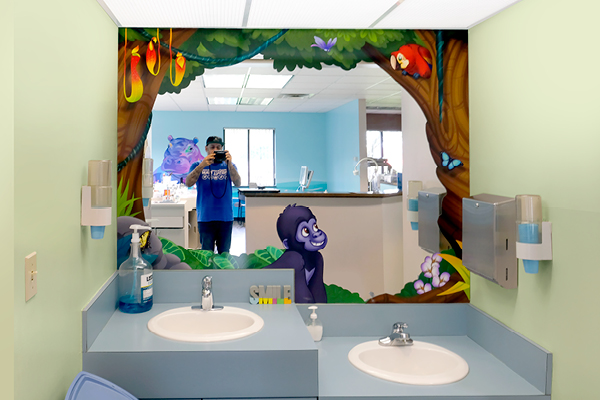
A large mirror decorated with cartoon jungle animal decal.
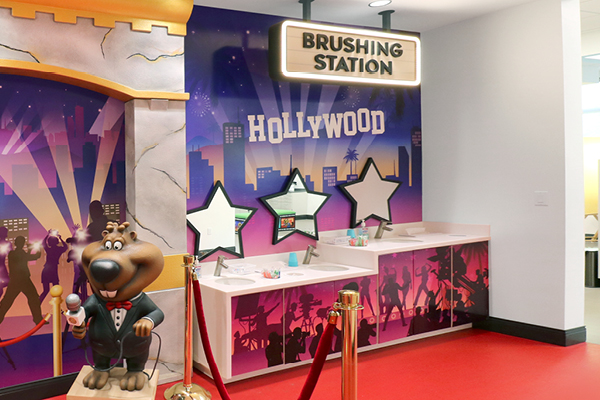
A colorful “Brushing Station” area with Hollywood-themed decor.
This gives pediatric practices flexibility. Whether you are looking for a simple upgrade or a fully themed pediatric dental office feature, IDS offers options that support both function and visual impact.
IDS brushing stations are also designed with durability in mind. The products are made for busy dental environments where easy cleaning and long-term performance matter. That means a practice can invest in a brushing feature that is both playful and practical.
For offices exploring new pediatric dental office ideas, brushing stations are an effective way to support education without sacrificing usability.
A Smart Addition to a Themed Pediatric Dental Office
For practices investing in pediatric dental office design, brushing stations are a small feature with lasting value. They help children feel more comfortable, give staff a tool for teaching better brushing habits, and add a memorable interactive element to the office.
They also support branding. Parents notice when a pediatric dental office has been designed around the needs of children. A fun brushing station shows that your practice cares about more than treatment. It shows that you care about education, comfort, and creating a positive experience from start to finish.
That is what makes brushing stations and brushing mirrors such an effective part of kids dental office design. They are functional, educational, and engaging all at once.
Ready to create a space that inspires confidence and wonder?
Child-first design starts with a simple premise: a pediatric space should work for a child’s body, nervous system, and sense of safety, not just look “kid-friendly.” When design reduces stress and supports self-regulation, kids tend to cope better with unfamiliar procedures, and caregivers can focus on listening and decision-making. Evidence-based healthcare design links better experiences and outcomes to environments that support control, social support, and positive distraction (Ulrich, 2000; Ulrich et al., 2008).
This blog assumes an outpatient context (pediatric dental clinics and pediatric medical practices/urgent care) serving children roughly ages 2–12, including neurodivergent children and children with disabilities, plus parent/caregiver companions.
Some recommendations must be adapted to local codes, clinical risk assessments, and infection prevention policies (FGI, 2022; CDC, 2016).
What Child-first Design Means in Healthcare
Adult-focused healthcare interiors often optimize for adult preferences: calm luxury, minimalist finishes, and brand-forward aesthetics.
Child-first design is different: it’s purpose-built around pediatric needs. This includes physical scale, sensory processing, safety, wayfinding, and cleanability all while still respecting clinician workflows and operational realities.
Research on pediatric emergency care environments notes that high-stimulation, “sterile” or confusing settings can be counter-therapeutic for children and families, especially when spaces were not explicitly designed for pediatric users (Gripko et al., 2023).
A practical way to frame child-first design is “reduce uncertainty and sensory threat while increasing choice and support.” That aligns with supportive design theory and broader evidence-based design findings (Ulrich, 2000; Ulrich et al., 2008).
Core Child-first Design Principles to Apply to Healthcare Settings
Height and Scale
Make key touchpoints legible and usable for children: child-view signage, lower interactive elements, step stools with handholds at sinks, and child-scale seating options (alongside bariatric and mobility-friendly seating for caregivers). Incorporate accessibility reach ranges and clearances as a baseline, including ADA requirements for operable parts and permitted children’s toilet room provisions where relevant (U.S. DOJ, 2010).
Sensory Needs and Regulation
Pediatric waiting rooms can become “unpredictable, uncontrollable, and intense,” especially for autistic children; a recent pilot study surfaced themes around triggers, regulation supports, and inclusion (Vetter et al., 2025). Design responses include: calmer sub-zones, reduced glare, clear expectations (what happens next), and options for quiet positive distraction. A literature review of pediatric public spaces groups effective positive distractions into themes like art/aesthetics, play/interactive tech, sound and lighting interventions, and access to nature, and links them to reduced stress/anxiety and better experiences (Jiang, 2020).
Safety, Supervision, and Dignity
Pediatric safety is not only fall prevention, it’s also eliminating pinch points, sharp edges, unsecured furniture, blind corners, and “escape routes” that place a child in unsafe areas. Design should support line-of-sight supervision without turning the clinic into a surveillance zone.
Accessibility and Inclusive Use
Child-first does not mean “kids only.” It means designing for kids and the adults and assistive devices with them, strollers, wheelchairs, walkers, sensory aids, and siblings. ADA technical standards provide minimum requirements for accessible routes and features (U.S. DOJ, 2010).
Wayfinding and Predictability
Wayfinding is a clinical intervention in disguise: it lowers cognitive load and prevents late arrivals and frantic, dysregulated transitions. A wayfinding master plan should begin early and integrate signage with color/graphics/patterns and environmental cues, not signage alone (Defense Health Agency, 2022).
Materials, Furniture, and Indoor Air Quality
Kids touch everything. Favor durable, easily cleanable surfaces at high-touch zones and choose products that reduce chemical exposure. The EPA notes that levels of some VOCs are commonly higher indoors than outdoors, with spikes during certain activities (EPA, 2025). Guidance for early childhood settings also emphasizes that cleaning products, paints, and glues can be significant VOC sources and recommends low-VOC choices to reduce exposure (Harvard Center on the Developing Child, 2025).
Lighting
Lighting should support comfort, visibility, and task performance, and avoid harsh glare that can escalate distress. ANSI/IES RP-29 provides recommended practices for healthcare lighting, organized to complement FGI room-type planning (IES, 2016).
Acoustics
Noise is a common, preventable stressor. WHO community noise guidance has long recommended low indoor sound levels for settings that require rest and recovery (WHO, 1999). Healthcare facility guidance also increasingly treats acoustics as a design requirement (e.g., criteria tables for building-system noise), not a finishing touch (FGI, 2018).
Infection Control as a Design Driver
“Easy to clean” is not a vibe; it’s a workflow and safety requirement. The CDC’s dental infection prevention summary calls for routine cleaning/disinfection policies, surface barriers for hard-to-clean clinical contact surfaces, and use of EPA-registered hospital disinfectants per label instructions (CDC, 2016). It also highlights practical waiting-area infection prevention steps (hand hygiene resources near waiting areas, and, when possible, separate seating for symptomatic patients) (CDC, 2016).
LEARN MORE ABOUT SPECIALIZED PEDIATRIC DENTAL DECOR
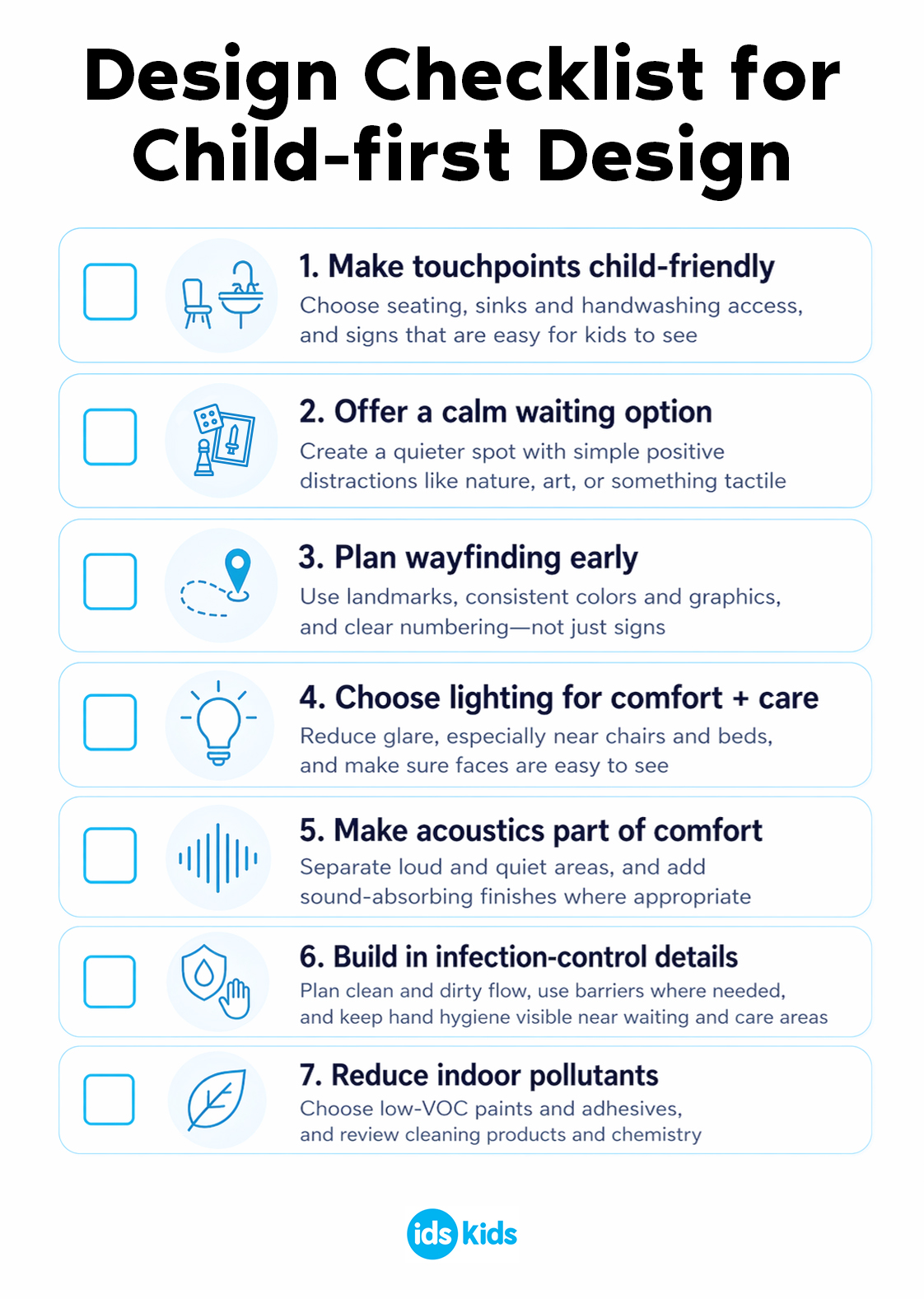
Use this quick checklist during schematic design and again before procurement.
□ Child-scale touchpoints Seating, sinks and hand hygiene access, and signage sightlines should all work at a child-friendly scale. (U.S. DOJ, 2010)
□ A calm option in the waiting area Include a quieter sub-zone with simple, positive distractions such as nature imagery, art, or a tactile element. (Jiang, 2020; Vetter et al., 2025)
□ Plan wayfinding early Use landmarks, consistent color and graphic logic, and clear numbering rather than relying on signage alone. (Defense Health Agency, 2022)
□ Specify lighting for both comfort and task performance Control glare, especially near chairs and beds, and provide readable vertical illumination for faces. (IES, 2016)
□ Treat acoustics as part of clinical comfort Separate loud and quiet functions, and add sound absorption where cleanability allows. (WHO, 1999; FGI, 2018)
□ Address infection control in the details Plan clean and dirty flow, use surface barriers where appropriate, and make hand hygiene visible near waiting and care zones. (CDC, 2016)
□ Limit indoor pollutants Choose low-VOC paints and adhesives, and review cleaning chemistry as part of material selection. (EPA, 2025; Harvard Center on the Developing Child, 2025)
Great child-first design is more than a trend in pediatric dental and medical spaces. It is a practical approach to creating pediatric office interiors that feel safer, calmer, and easier for children and caregivers to navigate. By combining sensory-friendly design, child-scaled features, clear wayfinding, easy-to-clean materials, and imaginative pediatric decor, clinics can create spaces that support both clinical function and emotional comfort. The result is a pediatric environment that not only looks inviting, but also helps families feel cared for from the moment they arrive.
Looking to create a more welcoming, functional space for children and families? Imagination Design Studios creates custom child-first environments for pediatric dental offices, medical clinics, therapy spaces, and other child-friendly businesses.
American Academy of Pediatric Dentistry. (2023). Nonpharmacological Behavior Guidance for the Pediatric Dental Patient.
American Academy of Pediatric Dentistry. (2024). Behavior Guidance for the Pediatric Dental Patient (Latest revision 2024; published in the Reference Manual of Pediatric Dentistry 2025).
Cermak, Sharon A., et al. (2015). Sensory-adapted dental environments for children with autism: randomized pilot/feasibility evidence.
Defense Health Agency. (2022). Wayfinding Guidelines and Signage Standards for MHS Facilities.
U.S. Environmental Protection Agency. (2025). Volatile organic compounds (VOCs) and indoor air quality overview.
Harvard Center on the Developing Child. (2025). Air Quality Affects Early Childhood Development and Health.
Jiang, Shan. (2020). Positive distractions and play in pediatric public spaces: literature review.
Gripko, Michaela, et al. (2023). Systematic review: effects of ED physical environment on children and families.
Ulrich, Roger S.. (2000). Supportive design: stress reduction, coping, and healthcare outcomes.
Ulrich, Roger S., et al. (2008). Review of evidence-based healthcare design research.
U.S. Department of Justice. (2010). 2010 ADA Standards for Accessible Design.
Centers for Disease Control and Prevention. (2016). Summary of Infection Prevention Practices in Dental Settings: Basic Expectations for Safe Care.
World Health Organization. (1999). Guidelines for Community Noise.
Facility Guidelines Institute. (2022). Editions overview; incorporation of Standard 170 and outpatient ventilation tables.
Shepley Bulfinch. (n.d.). Boston children’s hospital expansion case description (gardens, mockups/simulations).
Stanford Children’s Health. (n.d.). Nature-themed wayfinding/navigation approach for a new children’s hospital.
Illuminating Engineering Society. (2016). ANSI/IES RP-29-16: Lighting for Hospitals and Healthcare Facilities.
When IDS creates a themed environment, it transforms an ordinary dental office into a world of imagination, discovery, and play. That same magic can, and should, extend into the digital space. Studio EightyEight, a branding and marketing agency for dentists, helps translate IDS’s immersive environments into digital experiences that connect with both kids and their parents. While IDS crafts the physical “wow,” Studio EightyEight ensures the website, logo, and photography reflect that creativity with clarity and professionalism. Together, they show how a cohesive theme, from the waiting room to the homepage, builds trust, excitement, and a memorable brand that families instantly recognize and love.
How IDS Environments can Translate into Digital Branding + Website Design
If you’re familiar with IDS, you already understand the WOW factor. Their themed environments aren’t just decorations, they’re transformations. When a kid walks into one of their spaces, it feels like discovery, imagination, adventure, and play.
At Studio EightyEight, we’re about communicating transformative experiences online through creative storytelling and performance marketing. We’re a digital marketing and branding agency for dentists, and one of the places where our creative team loves to flex the most is with pediatric dental practices. These dentists put a ton of effort and creativity into making their practices fun for kids, and we get to translate that into the online world.
The Big Difference Between Environmental and Digital Design
The dentist is, infamously, a place most kids would rather avoid. Pediatric dentists work hard to break that stigma, and environmental craftsmen like IDS can give them an incredible head start with immersive, themed spaces that feel safe and fun. Their patients are their number one priority, and you can see how these spaces are brought to life in real pediatric environments, where design transforms the experience.
But, as their marketing agency, there’s always one thing we have to keep in mind: kids may be the audience, but parents and guardians are the decision makers. We have to level the excitement of a big theme with tasteful design and clarity.
Branding: Pediatric Dental Themes, Digitally
A themed office thrives on immersive detail. But digitally? Less is often more.
A logo and visual brand have to work in dozens of places—business cards, signage, social media icons, your website header, etc. If your physical space is an amusement-park level experience, your logo shouldn’t try to compete with that. Instead, it should support it.
We encourage pediatric brands to lean into:
Simplified shapes or icons
A color palette that reflects the theme
Typography that echoes your interior personality
Take El Segundo Pediatric Dentistry. Their practice bursts with bright murals, squiggly shapes, and saturated color. Their logo could have been just as loud, but instead they chose subtle pops of color and a playful custom type treatment that hints at their interior theme without overwhelming their digital presence.
In short, your digital space doesn’t have to replicate your physical space. It has to translate it.
Custom Photography: Show Off Your Space
If your office has invested in a themed environment like the ones IDS creates, you have got to show it off! Stock photos can’t communicate your magic. Parents want to see where their child will be, and photography gives your website the emotional lift that design alone can’t do. Professional photos allow you to:
Capture the scale and detail of the theme
Highlight patient experiences and amenities
Build trust by showing real kids, real staff, and real joy
Familiarity is so important when building trust in a brand, whether you’re a kid or an adult. When someone recognizes your space from the photos when they walk in, it helps them feel at ease. Website Design: A digital teaser for the main event
Think of your website as a preview of the full experience. For themed practices, the goal isn’t to cram every detail onto every page, it’s to guide parents smoothly through what matters most:
Who you are
What makes your practice different
How to schedule
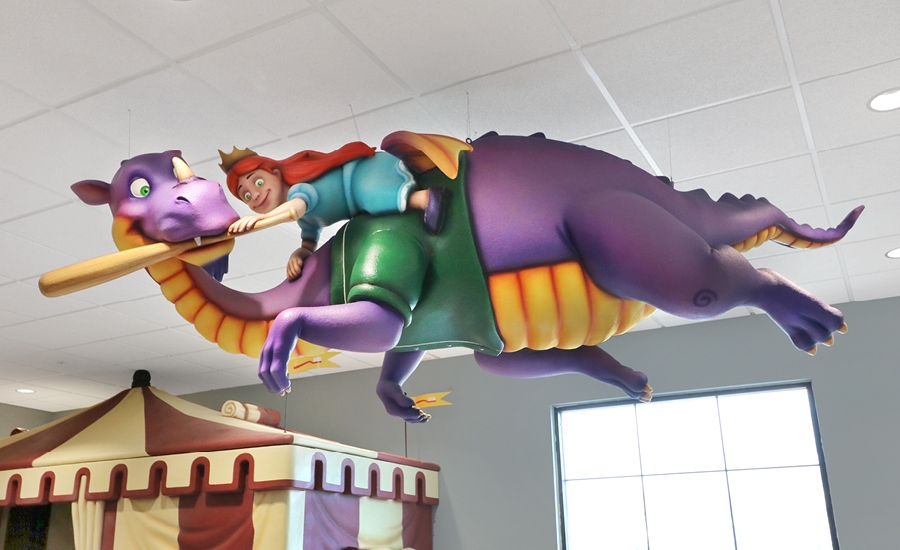
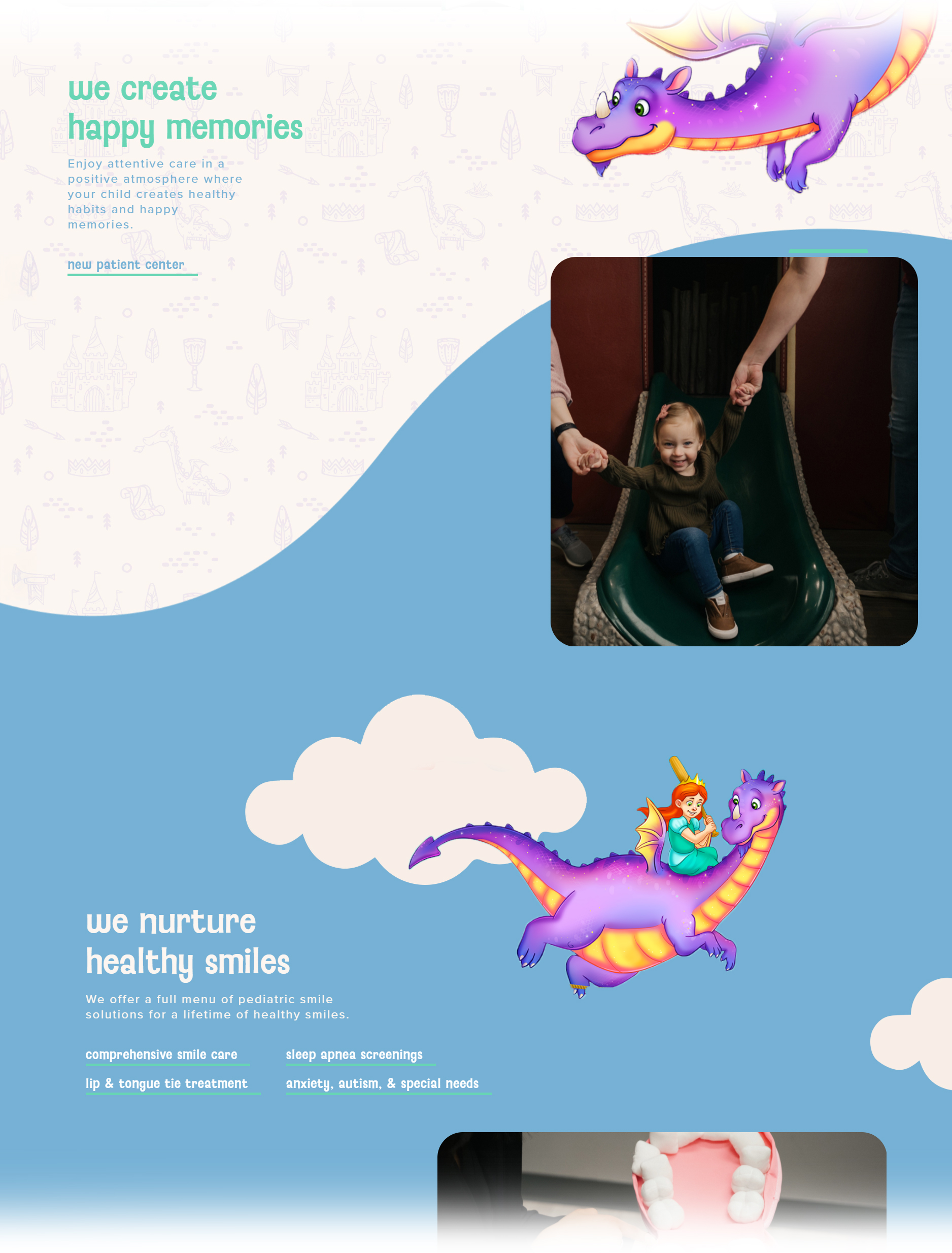
Hines Little Smiles in Columbus, OH, is a strong example. Their office has a fully immersive theme—castles and dragons and princesses galore!—and their website showcases it with custom photography and supporting graphics while still maintaining layout, hierarchy, and usability that parents appreciate. The theme becomes part of the narrative, not the whole story.
Physical Theme + Digital Brand = A Complete Experience
A theme is strongest when you can stick to it through every part of your branding. Translating the theme in your digital space looks different than in your physical space, but when the two work together it’s marketing gold. Parents see consistency and trust your brand. Kids feel excitement and know what to expect. And your practice stands out!
IDS makes big moments happen inside your practice.
Studio EightyEight makes them live online.
Written by guest blogger Hanna Osterwyk, Lead Copywritert at Studio Eighty Eight
Reviewed by Victoria Mitchell, Head of Marketing at Imagination Design Studios
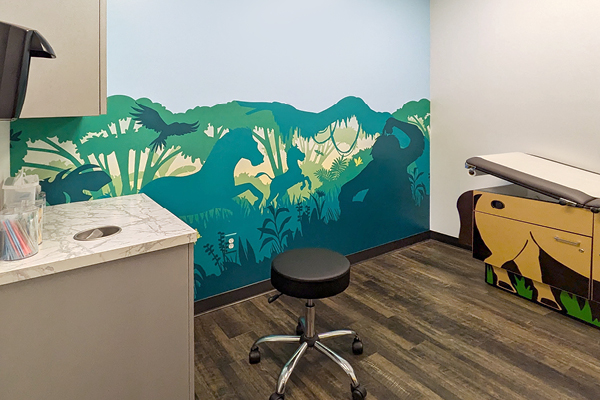
Imagine a little girl named Emma, clutching her mom’s hand, facing a doctor’s visit she dreads. But when she steps into a jungle-themed exam room, a vibrant monkey mural swings from the wall, and her frown turns to giggles. At Imagination Design Studios, we believe every pediatric exam room can be a portal to joy, easing kids’ fears and helping providers shine.
A well‑designed exam room is more than four walls; it shapes an experience that calms and engages children. According to The Handbook of Art Therapy, fun environments can reduce a child’s stress by 30%. As a pediatric provider, you know how tough it is to meet their needs and calm nervous kids. Our five secrets blend whimsical decor, smart layouts, and kid-friendly touches to create inviting spaces that spark smiles and build trust.
Ready to transform your practice into a haven where families feel at ease? These practical, imaginative ideas will guide you to refresh exam rooms that kids adore, ensuring every visit is a magical memory. Let’s dive into the secrets of kid-friendly exam room design!
Why a Great Exam Room Design Helps Kids Feel Better
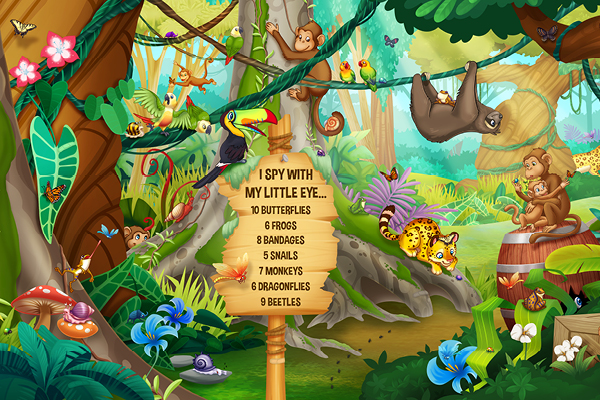
Picture an exam room that opens like page one of a story, not a stark white rectangle. A pirate‑ship exam table invites young captains aboard, while wall‑to‑wall “I‑Spy” jungle murals challenge them to spot hidden toucans, bandaids, and frogs. Purpose‑built play turns nerves into curiosity, helping kids relax and trust their care team.
Families: Soothing decor brings comfort during stressful moments.
Providers: Thoughtful layouts streamline care, saving steps and lifting quality.
Like a cozy cafe that keeps customers coming back, themed exam rooms inspire loyalty. From dinosaur dens to mermaid lagoons, these spaces enhance your practice’s reputation, encourage referrals, and improve health outcomes. Families leave with smiles, eager to share their stress-free experience.
5 Must-Have Factors for a Successful Exam Room Layout
1. Making Exam Rooms Kid-Friendly and Calming
Calming exam rooms help kids feel safe, turning scary visits into joyful moments. Soft blues, greens, or neutral walls soothe young patients, unlike harsh whites that spark unease. Nature-inspired murals, like sunny beaches, create comfort; we have experience crafting these lively displays for medical offices.
Cozy furniture with rounded edges and cushions ensures kids feel at ease, while adjustable chairs offer ergonomic support for providers. Playful puzzle boards on walls keep little ones busy, cutting anxiety and noise during waits. Soundproof walls secure private family conversations.
These thoughtful touches build a modern exam room design that boosts healthcare experiences, helping practices create warm, kid-friendly spaces where families trust and return.
2. Decor That Keeps Rooms Tidy and Welcoming
A well-designed exam room lets providers focus on care, not clutter. Smart layouts and tidy storage create a smooth healthcare experience, saving time and reducing stress for nurses and doctors. Thoughtful design boosts work efficiency, making every visit seamless in a modern medical office.
Place exam tables and sinks for easy reach, ensuring fluid movement.
Use custom cabinetry to keep supplies neatly organized and close at hand.
Add wall-mounted shelves to clear clutter and improve access.
Include adjustable stools for ergonomic support during busy days.
Test layouts with staff to fix workflow hiccups.
Streamlined exam rooms empower providers to shine, elevating care quality. A well-run practice builds family trust, encouraging loyalty and happy visits.
3. Ensuring a Safe Environment for Patients and Staff
When your exam room becomes a rainforest canopy or deep‑sea cave, every prop has to survive the daily stampede of tiny explorers. That’s why our 3D characters wear a rubber‑armor finish. They flex instead of crack when curious hands pull or a rolling stool bumps their tails.
Paired with easy‑clean vinyl murals, the entire scene shrugs off spills, fingerprints, and the thousandth “look at me!” photo without losing its sparkle.
We back the visuals with non‑toxic paints and water‑resistant coatings, so sanitation teams swipe, spray, and move on in minutes; no special chemicals, no fading colors. Choosing kid‑safe materials keeps your space looking fresh while meeting every health‑code checkbox.
Finally, sinks, sanitizer stations, and trash bins are placed exactly where staff can reach them mid‑exam. Which is less time hunting for wipes, more time focused on patients. The result? Parents see a spotless, thoughtfully designed clinic; kids remember the adventure, not the anxiety.
4. Flexible Exam Rooms for Multi-Purpose Use
Picture a medical office that bends to any visit, from quick check-ups to long talks. A smart exam room design blends tech and flexibility to keep patients happy. Wall-mounted monitors for EHR systems let providers share test results, making chats with families feel clear and fun.
Hand-held tablets let doctors provide info anywhere in the room, while custom wall displays add a playful touch. We have experience crafting these kid-friendly screens, perfect for engaging young patients. Modular furniture suits all visit types, and adjustable lighting sets a cozy vibe. It’s a setup that works for everyone.
Planning for future tech upgrades keeps your medical office ready for tomorrow. A flexible space handles new equipment with ease, saving stress and costs. This adaptable setup creates a comfortable, forward-thinking practice that families trust, turning every visit into a smooth, happy experience.
5. Designing Exam Rooms That Reflect Your Brand’s Values
A pediatric exam room should mirror your mission, caring for children’s health and well‑being. Patients and families remember spaces that show your practice’s heart, building loyalty that lasts. A kid-friendly center with a unique vibe turns visits into adventures, making people eager to return and share your name.
Craft this magic with bold themes like pirate ships or mermaid lagoons; we have experience crafting these enchanting displays to set your brand apart. Durable materials keep upkeep low, saving costs. A cohesive theme makes rooms of any size feel larger and more welcoming, turning first‑time visitors into loyal fans.
This thoughtful design creates a practice that families trust and adore. Every mural or playful detail reflects your values, encouraging referrals and repeat visits. Your center becomes a beloved spot where kids smile, and parents feel at ease, visit after visit.
Showcasing Exam Rooms That Care for Kids
Picture a jungle‑themed exam room with lush murals and 3D vines, or an underwater oasis with glowing fish decals and mesmerizing views. These spaces, crafted with 18 years of expertise, turn visits into adventures.
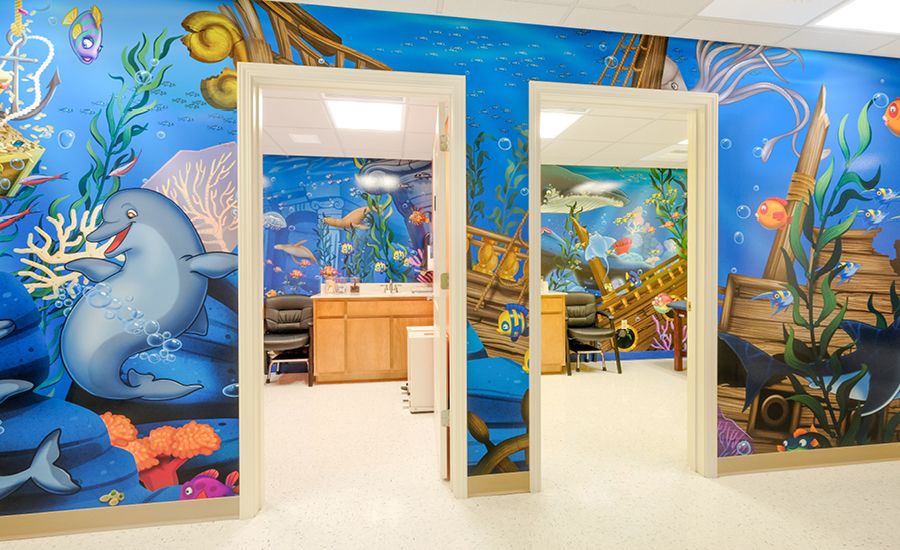
Exam Room Decor
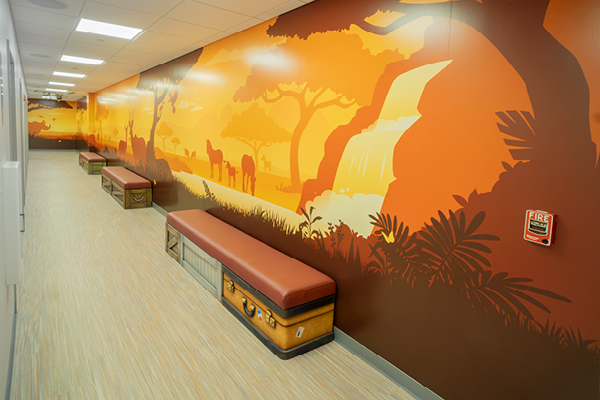
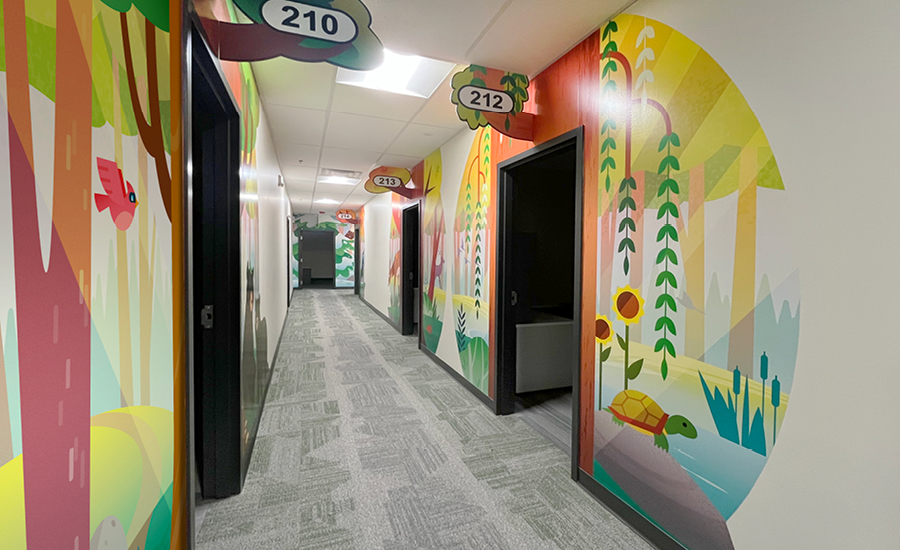
Hallways Leading to Exam Rooms
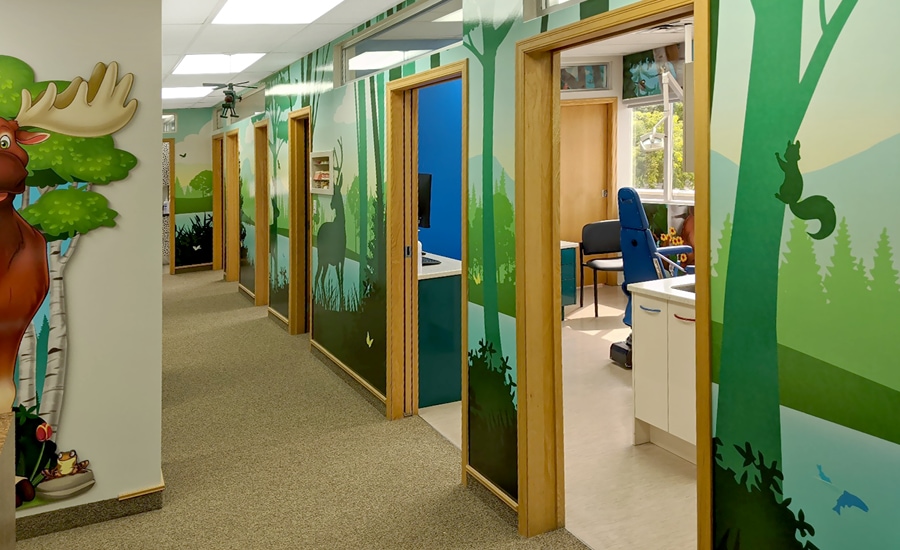
View of hallway decorated with contemporary style wall murals in woodland green palette
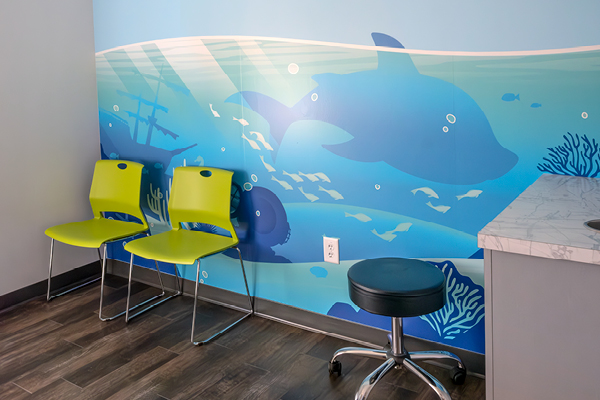
Deep sea themed wall murals.
Safari sunset themed wall murals.
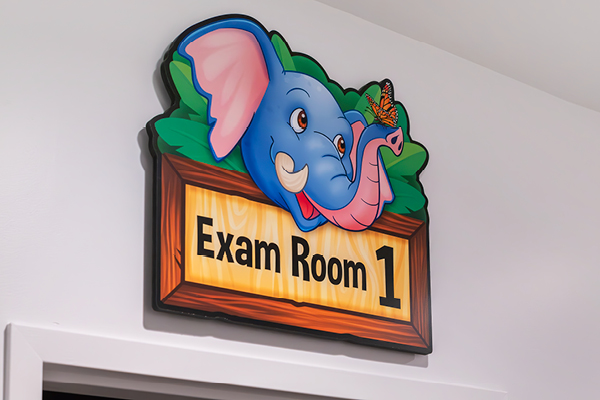
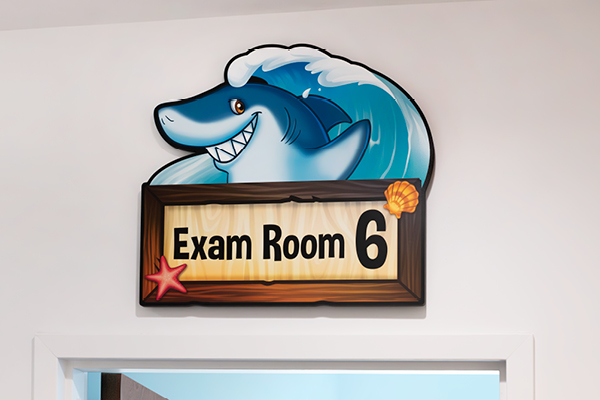
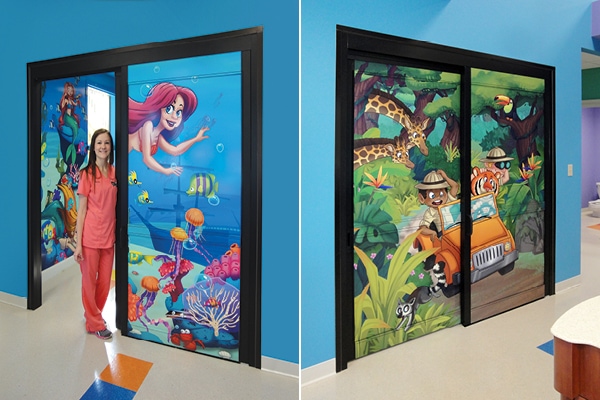
Exam Room Doors
Turn Your Exam Room into a Kid-Friendly Wonderland
Picture an exam room where kids giggle instead of fidget and parents breathe a little easier. At Imagination Design Studios, we’ve spent 18 years perfecting the art of pediatric design, creating premium spaces that blend comfort with a sprinkle of magic. Think colorful murals, cozy nooks, and stress-free vibes, all tailored to your practice.
Ready to make visits a joy for everyone? Chat with our friendly experts for a free consultation, and let’s craft a space that heals with heart.
Spark Joy in Your Exam Room – Talk to IDS Today!
Bringing It All Together
A pediatric exam room should open the door to joy, not jitters. Five key factors – patient comfort, provider efficiency, safety, technology, and brand alignment build spaces where kids feel safe and families find support. Each point, from cozy murals to smart layouts, creates a practice that shines with care and effectiveness.
Standardization meets imagination with IDS‑supplied interactive tablets and projection games that turn wait‑time into play‑time. Your own TVs, computers, and clinical devices integrate seamlessly into the theme, thanks to our modular decor and flexible layouts.
Safe materials and kid‑tested designs keep every space fun, efficient, and hygienic—turning medical offices into trusted havens that families return to again and again.
Ready to make every visit a magical adventure? IDS can transform your exam rooms into joyful spaces. Drop us an email at info@idskids.com to start crafting a practice families love. Your service will leave kids smiling and parents grateful, every time they walk through your door.
Reviewed by Dave Nolan, President of Imagination Design Studios, with 30+ years in themed environment fabrication.
Imagine a pediatric healthcare space that feels less like a waiting room and more like a coastal escape, where children can forget their worries and families can comfortably relax in style. Immersive beachy office decor can reduce pediatric patient anxiety by up to 30%, turning an ordinary visit into an exciting sea adventure full of inspiration.
At IDS, we’ve spent 18 years perfecting the art of transforming spaces into magical, kid-friendly environments. With over 800 successful projects across North America, we specialize in blending vibrant, playful beach office decor designs with premium quality.
In this blog, we’ll dive into 13 creative coastal decor ideas to help you transform your office into a bright coastal wonderland that sparks imagination and love for every visitor. Let IDS guide you through fun, functionality, and unforgettable experiences for young families, making your workspace work beautifully!
The Power of Beach-Themed Office Decor in Kid-Friendly Spaces
Beach office decor offers more than just an aesthetic upgrade, it creates immersive, anxiety-reducing spaces that transform waiting rooms in pediatric healthcare settings, reading areas in libraries, and children’s areas in amusement spaces into coastal-inspired havens full of inspiration.
Benefits for Business Owners:
● Engages Kids: Playful, coastal themes capture children’s attention, making visits fun and exciting while easing their anxiety with bright, sea-inspired decor. ● Comforts Families: Transforms clinical or commercial spaces into calming, welcoming environments where families can relax, sit, and feel comfortable with an easy-to-love style. ● Enhances Staff Experience: A vibrant beach office decor atmosphere elevates the workspace, boosting staff morale and energy to work with a smile.
At IDS, we understand the importance of designing spaces that not only look inviting but also reflect a unique coastal style that makes a real impact on children and families. With our beachy office decor designs, we add light and love, turning stress into smiles, enhancing the overall experience for everyone who walks through the door of your perfect office.
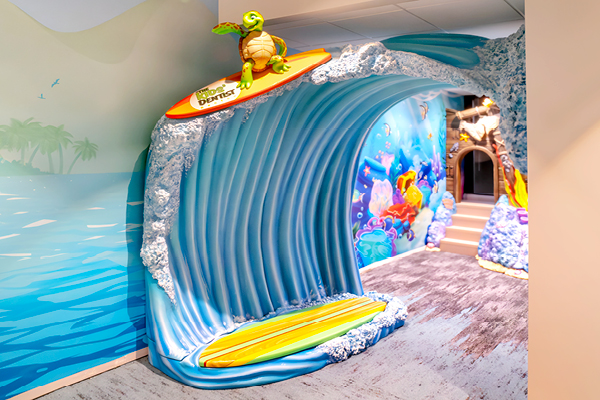
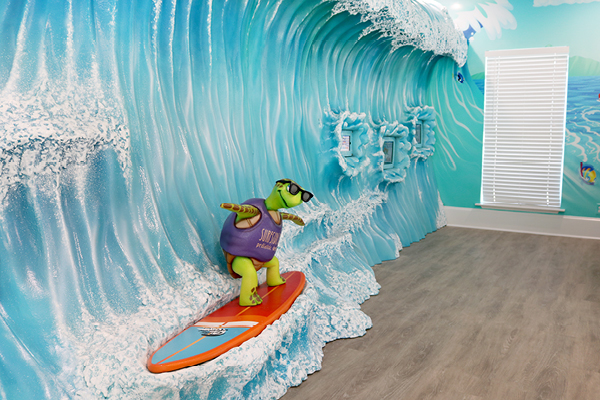
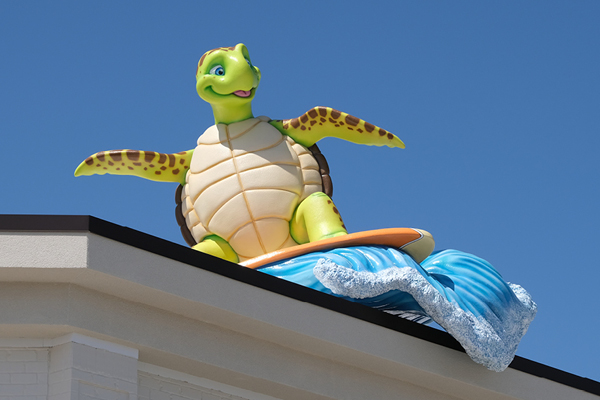
A 3D sculpted turtle riding a surfboard in your waiting room creates a perfect photo opportunity for kids to find and love. Combined with a vibrant wave mural and interactive gaming tablets, this beach office decor setup keeps children engaged, reducing wait-time anxiety with bright sea-inspired fun. It’s a great way to add a playful and social element to your office, encouraging families to share their moments online for inspiration.
When designing for pediatric spaces, like we have in past projects, creating visually stunning and interactive items helps set a positive and welcoming style. This surfing turtle installation is ideal for any size waiting room or lobby, adding charm to your space with a touch of coastal decor.
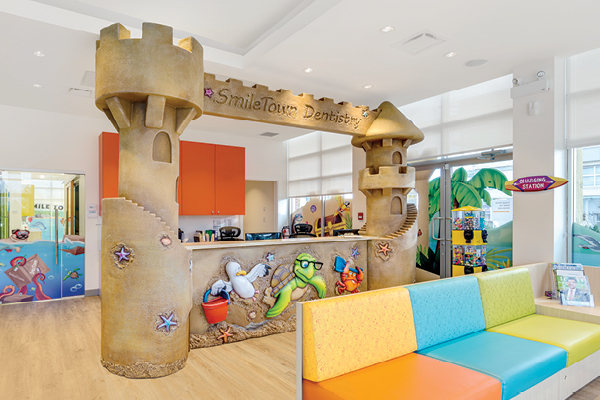
Imagine a reception desk inspired by a giant sand castle, adorned with starfish sculptures and surrounded by a sandy beach mural that captivates children’s imaginations. This magical beach scene is not only fun but soothing for families waiting to be seen, making the space feel like a whimsical escape.
With a durable finish, this beach-themed office decor is designed to withstand the daily wear and tear of a busy reception area, where guests often lean on or touch the surfaces as they wait and check in.
Infusing ocean-inspired elements into the workspace, just like we’ve done in various healthcare settings, can help bring an easy, welcoming vibe to your practice.
3. Pirate Ship Play Area
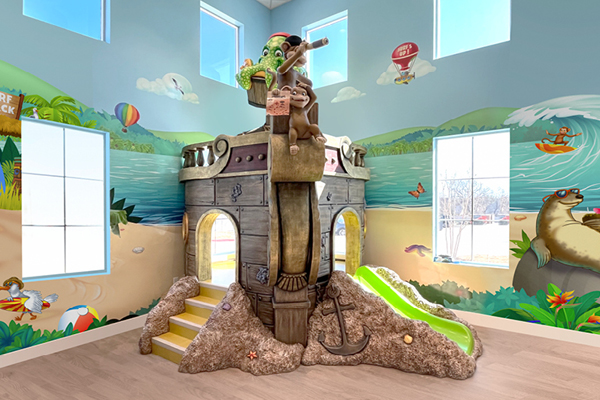
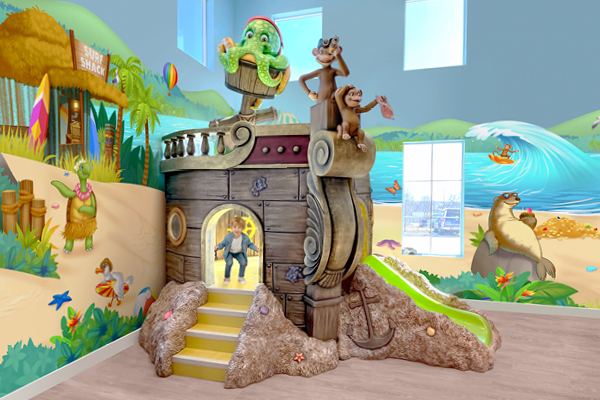
Add an adventurous touch to your practice with a pirate ship play area complete with a slide and treasure-filled scavenger hunt wall mural. Designed to entertain kids aged 3–12, this interactive element, makes wait time feel like a fun treasure hunt full of options for exploration.
We carefully select kid-safe, durable materials for play areas to ensure long-lasting quality and security. This pirate theme aligns perfectly with the coastal vibe, something we’ve successfully implemented in lots of pediatric settings. Such installations create an environment where children are not just waiting, they are playing and enjoying their time in a sea-worthy adventure.
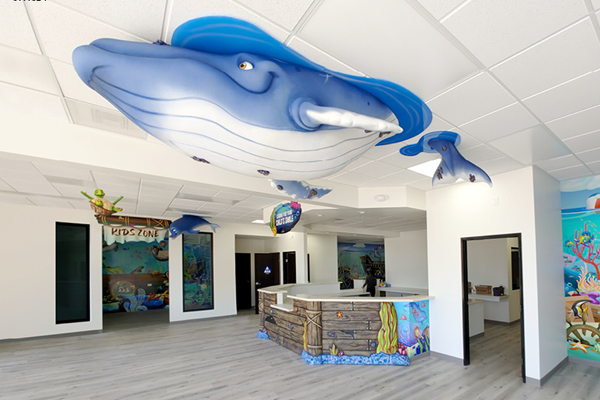
A 3D whale sculpture suspended above the reception desk can serve as a stunning focal point in your practice. This dramatic design, with lightweight accessories to hang securely, not only draws the eyes of children but also sparks a sense of wonder that reduces anxiety and promotes calm. It’s the perfect way to add a wow factor to your waiting area, making it feel like a playful coastal home office adventure with a window into the sea.
We’ve worked with practices to incorporate lightweight yet durable materials, ensuring the whale sculpture is both safe and striking, with lots of ability to captivate. The design’s ocean aesthetic, complete with murals, chair seating, and paint, ties into the coastal theme we’ve used in several of our projects. This installation makes any reception space feel more welcoming and fun.
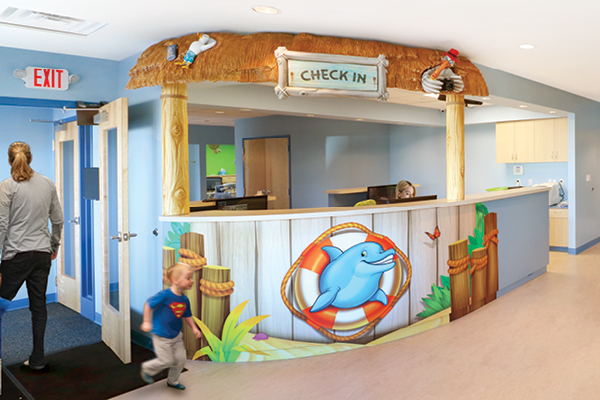
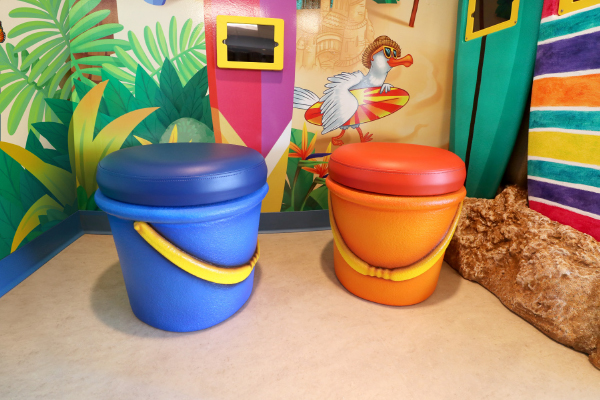
A beach hut desk, sand pale stool seating, and sandcastle murals turn your waiting area into a vacation-like atmosphere with lots of options for fun. These calming and playful accessories, with paint and chair arrangements, are perfect for children and families, helping them relax in a morning-like ambiance while they wait. This design visits feel like an enjoyable experience rather than a stressful one.
The easy-to-clean materials and durable finishes, with storage and security features, ensure this beachy design withstands daily use. With experience in creating welcoming, fun environments, we know the ability to make kids and parents feel comfortable is key. This beachy theme is adaptable to any waiting room size, with shelves and window accents tailored to your space.
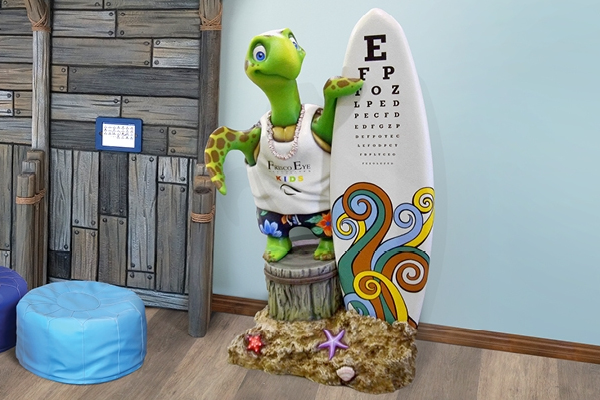
A fun surfboard-shaped eye chart in your exam rooms adds an educational twist to the experience. Children will enjoy engaging with the chart while waiting for their exam, and the wave-patterned operatory decor ties in seamlessly with the overall coastal theme.
The durable vinyl used for the surfboard ensures that it’s easy to maintain in a busy environment. This playful design element has been an effective tool in optometry clinics to make exams more enjoyable. By adding interactive, thematic elements like these, we help create spaces that are both fun and functional for young patients.
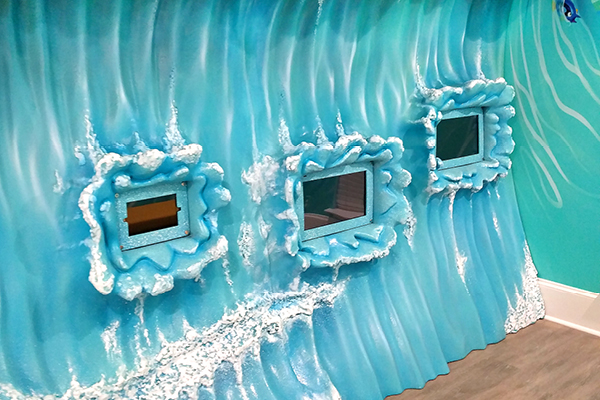
A sculpted wave with integrated gaming tablets is a perfect way to keep kids entertained while they wait. This interactive setup combines tech-driven entertainment with visually appealing elements, such as the sea creatures in the photo op, offering an immersive experience.
We understand the importance of durable materials to withstand frequent use, and we make sure that these elements stay safe in high-traffic areas. By incorporating technology into the design, we create spaces that entertain and engage children, reducing stress and promoting a fun waiting experience.
A 3D coastal creature sculpture, like a turtle, pelican, or dolphin, positioned outside your practice, creates a welcoming photo op and sets a playful tone for the visit. The weather-resistant materials ensure that it will last for years, while the bold design adds to your practice’s beach-themed decor.
This type of exterior installation not only enhances the curb appeal of your business but also draws families in with its whimsical design. It’s a fantastic way to engage all age groups right from the entrance. We’ve helped clients design similar outdoor features that align perfectly with their practice identity.
9. Sandcastle Play Area
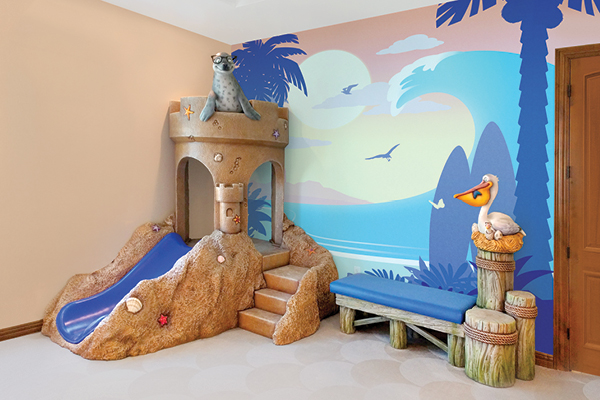
A sandcastle play area with a slide, pier benches, bead tables, and murals of sandy beaches provides a hands-on environment for young children. This design not only keeps kids entertained but also reduces the stress of waiting by creating a safe, interactive space for them to explore.
We specialize in kid-safe materials that are both durable and easy to maintain. The sandcastle theme reinforces the overall coastal aesthetic, offering a soothing atmosphere for both children and parents. This design has been effective in creating inviting play areas that keep children engaged while waiting.
10. Beach Storybook Mural
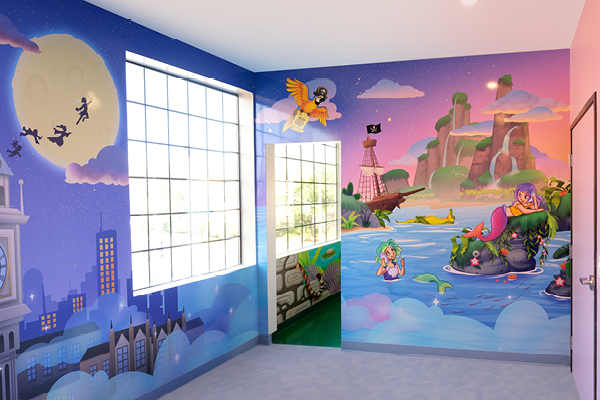
A beach-themed mural based on a storybook brings a classic tale to life with characters and tales to discover. Storytelling creates a sense of comfort and imagination for children, transforming waiting time into an exciting journey.
Drawing inspiration from beloved public domain stories, such as:
“Treasure Island” by Robert Louis Stevenson A classic adventure novel centered around a young boy named Jim Hawkins who discovers a pirate’s treasure map and sets off on a voyage to a mysterious island. Full of beaches, hidden coves, and high-seas adventure.
“The Swiss Family Robinson” by Johann David Wyss This story follows a shipwrecked family who must learn to survive on a deserted tropical island. It features beach life, jungle exploration, and creative problem-solving—all with a strong family and moral foundation.
“Peter Pan” by J.M. Barrie While primarily set in the magical world of Neverland, the story includes island and beach scenes, such as the mermaids’ lagoon and adventures near the shoreline with the Lost Boys and pirates.
A narrative mural creates a delightful world that appeals to kids and adults.
The high-quality, easy-to-clean materials used by IDS to print the murals ensure that these stories remain in excellent condition, providing lasting enjoyment for young visitors.
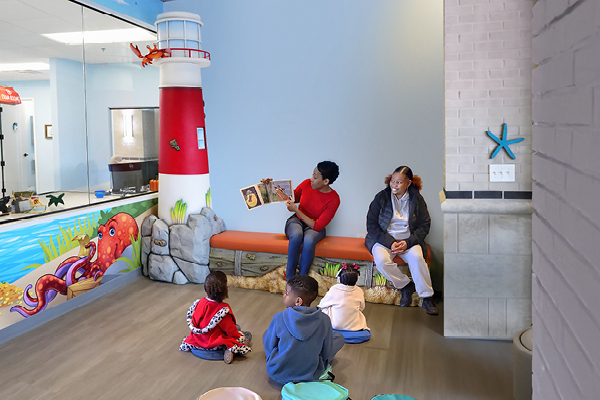
A lighthouse reading nook offers a peaceful escape where children can unwind with a good book. This cozy space features bookshelves and coastal murals, making it an ideal spot for kids aged 2–12 to relax while waiting for their appointment.
The durable furniture is designed for frequent use, ensuring the nook remains a comfortable and inviting place for families. As we’ve seen in our lighthouse-themed designs, this nook can serve as both a practical and playful element in any pediatric space.
12. Surf Shack Operatory Decor
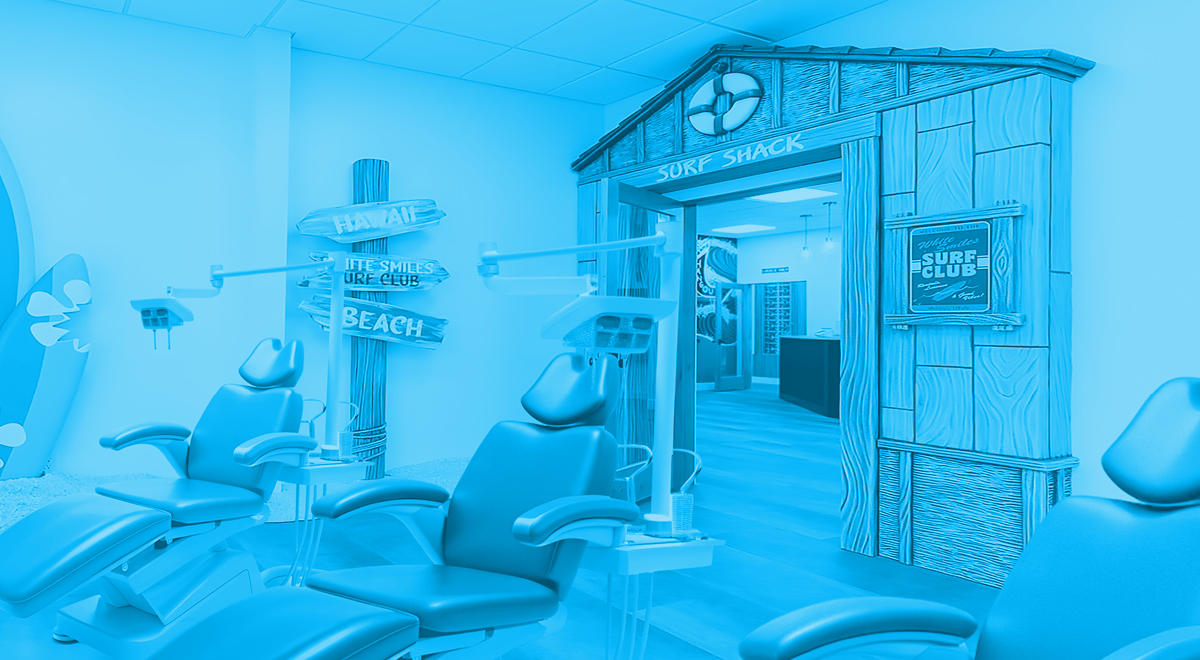
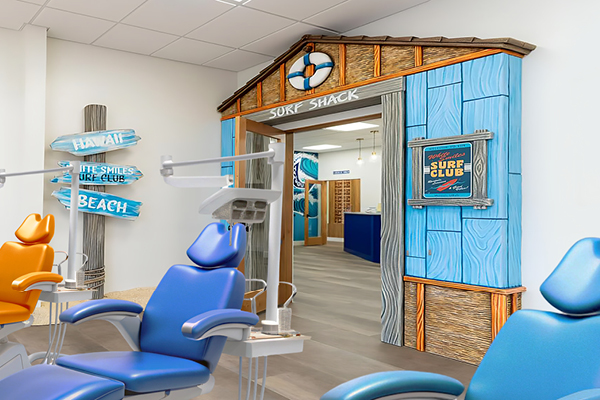
Incorporate the fun and casual vibe of a surf shack into your operatories with surfboard art and turtle bay dividers. This playful design helps ease exam anxiety, making the experience more enjoyable for kids.
By using easy-to-clean materials, this decor can be adapted to both small and large operatories. The surf shack theme is a great way to make your practice feel more inviting, creating a relaxed and engaging atmosphere for young patients.
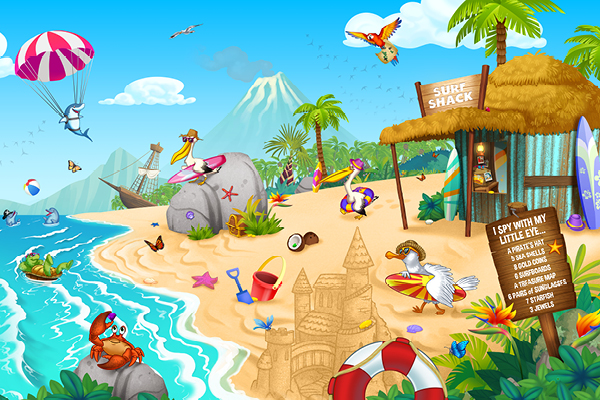
The I Spy mural concept adds a seashell treasure hunt wall with various items, where children can search for hidden treasures like starfish and pirate chests. This scavenger hunt wall not only entertains kids but also reduces the stress of waiting, making it a fun addition to your practice.
The durable vinyl used for the mural ensures long-lasting interaction, while the pirate theme aligns with the overall coastal theme. These types of murals have been successful in creating engaging environments that keep kids entertained and parents happy.
Bringing the Beach to Your Office: Smart Design Choices That Matter
At IDS, we design beach-themed decor with a focus on both practicality and aesthetics to meet the needs of family-centric spaces. Our 13 beach-inspired ideas were developed with these key design considerations in mind, offering a coastal adventure vibe for your office.
Key Consideration
Why It Matters
Age Group
Tailor designs for different age groups, from toddlers to teens, ensuring age-appropriate visuals and interactive elements that engage every child.
Durability
Use non-toxic, water-resistant, and easy-to-clean materials to ensure your coastal office decor lasts, even in high-traffic areas like waiting rooms.
Branding
Incorporate custom elements such as logos, mascots, and colours to align the decor with your practice’s identity, making the space feel welcoming and personal.
Space Size
From small operatories to large waiting areas or even outdoor spaces, these beach-themed ideas can be adapted to fit any size space.
Theme Cohesion
Keep your coastal theme consistent by using motifs like waves, turtles, and coral, creating a unified beach adventure vibe throughout the space.
These choices make wait time a fun adventure for kids. Your pediatric clinic will feel like a happy playground!
With over 18 years of expertise, IDS blends fun and functionality to craft environments that children and families love. We prioritize durable, kid-safe materials to create sustainable and safe spaces that you can opt for. Whether you’re transforming a waiting room or designing a play area, IDS helps you create an inviting, coastal-inspired office that meets all your needs.
Set Sail on Your Beachy Office Journey — We’re Ready When You Are!
Ready to transform your office into a beachy wonderland that kids and families will love? At IDS, we’re here to turn your vision into reality with our expert beach-themed designs. From playful pirate ships to serene mermaid lagoons, we’ve got the creativity and experience to make your space an unforgettable destination.
Your beach adventure starts now, click to book a free consultation and make waiting fun for kids and relaxing for families. Share your ideas with our Creative Consultants, browse our design ideas, and let’s create a magical coastal escape together that can be saved in your account for future reference!
Why is beach-themed decor ideal for kid-friendly spaces?
Who is stressed at the beach? Our beach-themed waiting room furniture and best waiting room toys create a vacation-like atmosphere for children in pediatric clinics and hospitals, easing wait time stress with fun, coastal vibes kids love to discover.
How does IDS ensure decor is durable and safe for kids?
We use kid-safe, durable fabrication products sourced in North America along with pre-built wall toys like Keebee play boards for waiting areas, ensuring easy maintenance and safety for kids in busy doctors’ offices and schools.
Can IDS tailor beach themes for small or specialized spaces?
Yes, all of our themes are custom designed for your space. Our selection of toys, activities, games and custom-built furniture fit small waiting areas or specialized rooms, offering custom coastal designs for every size of business.
What’s the timeline for designing and installing beachy decor?
Depending on the size of your project, our team delivers custom beachy decor products in 6 to 9 months. With a seamless order process that moves you from sales, to design, and finally into production, you’ll find activities, games, and decor to suit your office.
Why choose IDS over general designers for themed offices?
Our expertise in waiting room toys and activities for children and coastal designs, backed by hundreds of projects, makes us the best for pediatric waiting areas. Learn more on our site! Explore our projects.
Creating a family-friendly business is about more than function. It’s about designing memorable experiences that captivate kids and accommodate parents. Today’s best spaces mix local culture with new technology. Modern office design goes beyond looks, it focuses on inclusivity, engagement, and fun.
Whether it’s a space that reflects the community’s heritage, a mascot that tells your brand’s story, or tech-enhanced play areas, these trends are transforming businesses into destinations families want to revisit.
Explore the top design ideas that can help your family-friendly business stand out and keep families coming back for more.
1. Incorporating Local and Cultural Elements
In 2025, a major trend in family-friendly design is celebrating local landmarks and cultural elements. Businesses are adding regional art, cultural details, and local themes to their spaces. These touches create environments that feel immersive and connected to the community. They make each space unique and memorable. Families are drawn to places that feel authentic and meaningful. By showcasing local heritage, businesses show respect for their communities and strengthen customer connections.
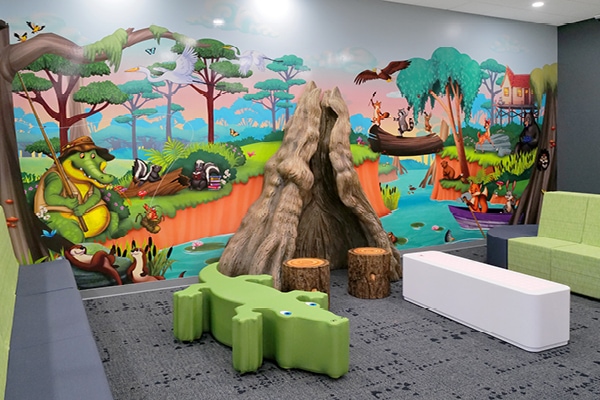
“Castle Tree” from Chemin-a-Haut State Park in north Louisiana recreated in a waiting area.
Add regional touches to make the space relatable:
Local wildlife themes, such as puffins for coastal towns or dinosaurs for areas rich in prehistoric history.
Highlighting local traditions through decor, interactive storytelling, or cultural events that educate and engage families.
Mascots representing local landmarks or historical figures to strengthen brand identity and community ties.
2. Friendly Mascots
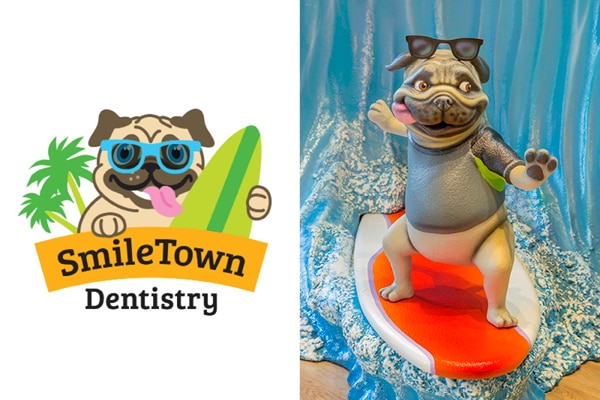
Speaking of mascots, the adoption of friendly characters has become a powerful trend among family-friendly businesses. It’s great for those aiming to enhance brand engagement. Mascots serve as dynamic brand ambassadors that bring a company’s identity to life. This is especially appealing to younger audiences. They play a crucial role in creating emotional connections through storytelling and interactive experiences. The presence of mascots enriches the environment, making it more inviting and memorable, while also providing opportunities for marketing and social media engagement.
Brand Identity: Mascots offer an instantly recognizable symbol that strengthens brand recall and loyalty among children and families.
Engagement: Through interactive events, appearances, and digital avatars, mascots actively engage customers both on-site and online.
Storytelling: They provide a focal point for narratives that enhance themed environments and educational messages.
Photo Opportunities: Mascots create shareable moments that families capture and share on social media, amplifying the business’s reach organically.
Designing for multi-generational engagement is a key trend in 2025, as businesses recognize the importance of catering to the entire family unit. Creating spaces that offer activities and amenities for children, teens, and adults ensures that every visitor finds value and enjoyment. This holistic approach enhances customer satisfaction and encourages longer visits. This fosters a more inclusive and family-oriented atmosphere.
For Kids: Interactive play zones featuring sensory activities like sand tables, climbing walls, and puzzle-solving murals stimulate creativity and physical activity.
For Adults: Comfortable reading nooks, Wi-Fi lounges, and collaborative spaces allow parents to relax, work, or socialize while overseeing their children.
For Teens: Dedicated gaming zones with console stations or virtual reality setups provide age-appropriate entertainment for older kids.
4. Technology-Integrated Spaces
This year will continue to see rapid advancements in technology, and tech-forward design is a leading trend in family-friendly offices. Businesses are integrating cutting-edge technologies to create interactive and engaging environments that captivate visitors of all ages. By incorporating elements like virtual reality and interactive digital installations, these spaces offer innovative experiences that align with the tech-savvy expectations of modern families. Technology integration not only enhances entertainment but also facilitates education and personalized interactions within the space.
Waiting area with floor projected game.
Virtual reality zones for immersive entertainment or educational journeys.
Floor-projected video games for interactive and physical play that encourage movement and collaboration.
Digital screens featuring interactive trivia or educational games related to the business theme or local culture.
5. Edutainment Zones
The fusion of education and entertainment, known as edutainment, is a prominent trend in 2025 for family-friendly businesses. Parents are increasingly seeking experiences that are both fun and enriching for their children. By incorporating educational elements into engaging activities, businesses provide added value that differentiates them from competitors. Edutainment zones support learning in areas like STEM, arts, and literacy, aligning with educational priorities and fostering a love for learning in an interactive setting.
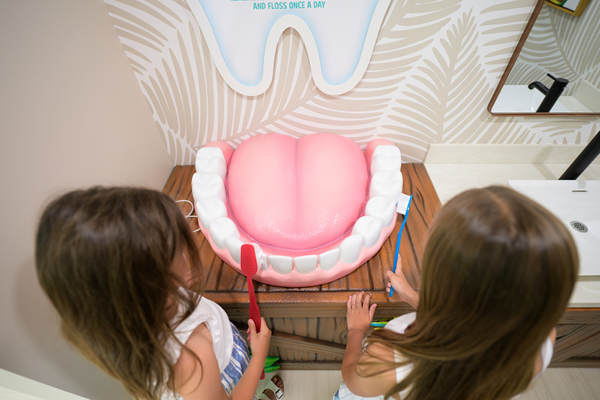
Giant tooth model for fun, interactive education in a dental office.
STEM-themed play areas with hands-on science, technology, engineering, or art activities that inspire curiosity and innovation.
Book corners with story time sessions or puppet theater stages to promote reading and imaginative play.
Interactive digital screens offering educational games and trivia that complement the overall theme and encourage cognitive development.
As social media continues to influence consumer behavior in 2025, creating Instagrammable moments within family-friendly spaces has become essential. Businesses are designing visually captivating installations that not only enhance the aesthetic appeal but also encourage visitors to share their experiences online. These photo-op spots serve as powerful marketing tools by increasing brand visibility and attracting new customers through user-generated content.
Oversized props, such as a giant toothbrush in a dental clinic or a safari jeep in a zoo-themed area, create fun and memorable scenes.
3D murals and immersive art installations that allow families to “step into” the artwork for unique and engaging photos.
Seasonal decor and mascot-themed backdrops that refresh the space regularly and encourage repeat visits and social sharing.
7. Focus on Accessibility
There is a heightened emphasis on accessibility and inclusivity in all areas of design. Creating spaces that are welcoming and accommodating to all individuals, including those with disabilities or sensory sensitivities, is no longer optional—it’s expected. By prioritizing universal design principles, businesses demonstrate a commitment to diversity and social responsibility, enhancing their reputation and broadening their customer base.
Sensory-friendly rooms equipped with dim lighting, soundproofing, and soft textures to provide a calming environment for children with sensory processing needs.
Visual cues and clear signage, possibly featuring mascots, to help guide children through unfamiliar spaces and reduce anxiety.
ADA-compliant play zones with accessible equipment and layouts that ensure all children can participate and enjoy the facilities.
Family-friendly office design is about creating spaces that delight kids, comfort parents, and reflect your brand’s identity. By combining elements like local culture, technology, and interactive storytelling, businesses can foster meaningful connections with their visitors. Whether through photo-worthy installations, sensory-friendly play zones, or the charm of a friendly mascot, these trends aren’t just practical—they’re transformative.
Ready to take your family-friendly business to the next level? Start by incorporating these trends and watch your space evolve into a hub of creativity, comfort, and unforgettable memories.
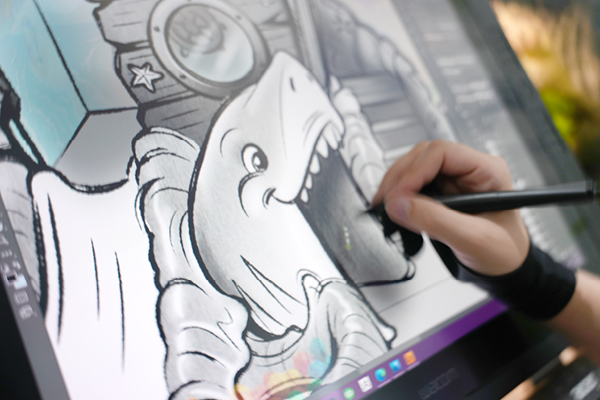
Artificial Intelligence is everywhere, from refining emails to designing video game concept art. And while it’s an impressive tool, that’s all it is: a tool. At IDS, we embrace innovation, but we also know there’s no replacement for the touch of a skilled artisan.
At IDS, we design custom murals and 3D sculptures for pediatric dentists, museums, and hospitals. Our goal is to create immersive environments that aren’t just decorative, they tell stories!
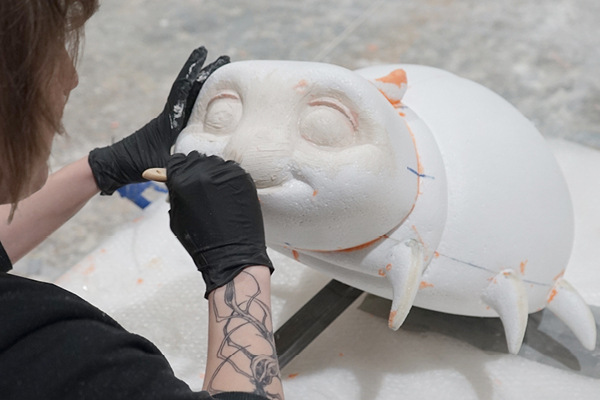
Our murals aren’t just pretty walls, they’re layered with jokes, stories, and characters that spark curiosity and imagination. Our painters think about the details most people wouldn’t notice consciously, like making sure a character’s eyes are looking at their friend across the wall. It’s subtle, but it creates a connection. It’s the difference between decoration and storytelling. Our sculptors and 3D modelers know how to coax personality out of foam. They add that perfectly quirky smile, that lifted eyebrow, that tiny tilt of the head that makes a character feel alive. These touches don’t come from a program, they come from practice, intuition, and a whole lot of heart.
AI can help with brainstorming or speed up parts of the process, and we’re not afraid to use it when it makes sense. But the spark, the soul, of our work? That comes from real people, doing real work, with real care.
We’re not anti-AI. We’re pro-artisan.
We use AI the way you’d use a pencil or a paintbrush – as a tool. But what we create with it? That’s 100% handcrafted. Themed spaces designed by artists who know how to make kids smile, make spaces feel warm, and make stories come to life.
At IDS, the magic doesn’t come from a machine. It comes from the people who make it. Here’s to our amazing team!
The connection between mental health and physical well-being is undeniable, and pediatric oral health is no exception. Mental health challenges in children, such as anxiety, depression, and chronic stress, can have a profound impact on their oral hygiene and overall dental health.
Let’s explore the critical aspects of this connection.
Understanding the Impact of Mental Health on Pediatric Oral Health
Weakened Immunity Created by Stress
Chronic stress and other mental health conditions can compromise a child’s immune system. This weakened immune state makes it more challenging for the body to fight off infections, including oral infections.
Consequently, children facing mental health issues may be more susceptible to severe dental problems such as advanced gum disease or slower recovery after dental procedures.
Stress-Related Behaviors Can Damage Teeth
Many children dealing with mental health struggles develop harmful habits like teeth clenching, grinding, or nail-biting. These behaviors, often unconscious, can wear down the enamel of their teeth, lead to jaw pain, and, if left unaddressed, contribute to long-term dental issues that may require extensive treatment.
Diet Changes Can Affect Tooth Health
Depression and anxiety can trigger sugar cravings or poor eating habits as individuals attempt to self-soothe, which increases the risk of cavities.
Apathy Created by Depression Can Lead to Neglect
Mental health conditions directly affect a child’s ability to maintain good oral hygiene. For instance, anxiety or depression can reduce their motivation to brush and floss regularly along with other self care behaviors. This negligence can increase the risk of cavities, gum disease, and other dental complications. Children experiencing these mental health conditions may struggle to care for their teeth, requiring extra guidance and attention from caregivers and dental professionals.
The Need for Compassion
Recognizing the mental health challenges that children face is essential for dental professionals. A compassionate and sensitive approach is vital when providing dental care to young patients with mental health issues. By offering supportive care and understanding, dental professionals can create an environment that encourages children to adopt better oral hygiene practices, helping to address the root causes of their dental challenges.
How Can Dentists Help?
1. Identify Signs of Mental Health Struggles
Watch for indicators like neglect of oral hygiene, enamel erosion (due to eating disorders), or frequent injuries to the mouth (possibly from self-harm or trauma).
Work with caregivers to address these issues collaboratively.
2. Collaborate with Mental Health Professionals
Develop partnerships with child psychologists or counselors to address the root causes of oral health issues.
Refer families to mental health resources when necessary.
3. Incorporate Behavior Management Techniques
Use distraction, positive reinforcement, and relaxation techniques to make dental visits less stressful.
Consider tools like weighted blankets or noise-canceling headphones for children with sensory sensitivities.
4. Create a Comfortable, Safe Environment
Use child-friendly themes and decor to reduce anxiety during dental visits.
Speak gently and explain procedures to help children feel in control.
Be mindful of signs of distress and allow breaks when needed.
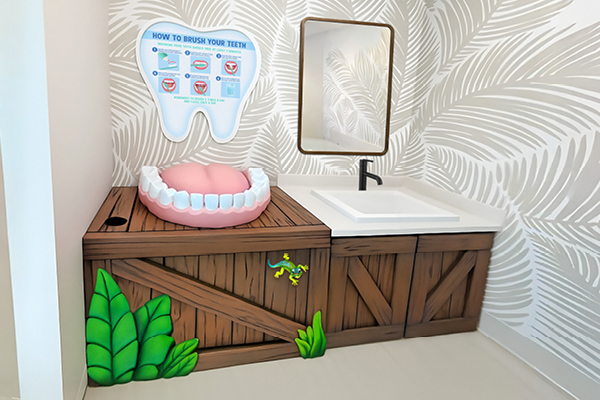
Child-friendly brushing area
5. Promote Preventive Care
Teach children and caregivers about the importance of regular brushing, flossing, and healthy eating.
Encourage frequent visits to catch and address early signs of decay or damage.
Use preventive treatments to protect teeth from decay in children who may struggle with consistent oral care.
6. Encourage a Holistic Approach at Home
Guide families in creating routines that integrate both mental and oral health care.
Promote activities that reduce stress, like mindfulness or structured schedules, alongside brushing and flossing.
Mental Health in Pediatric Oral Health
The intricate connection between mental and oral health in children emphasizes the need for a holistic approach in dental care. By understanding and addressing these mental health factors, dental professionals can significantly improve pediatric dental health outcomes. Creating a supportive, compassionate environment where children feel understood and cared for can make a meaningful difference in both their mental and oral health.
Check out these related resources on the strategies that lead to improving patient experience:
Happy summer, everyone! This season brings an exciting time for youth ministries: Vacation Bible School! VBS is a wonderful opportunity for children to grow in their faith while having a blast while off from regular Sunday school lessons. If you’re planning a VBS program for your children’s ministry, you’re in for an exciting journey! To help make your VBS a memorable and spiritually enriching experience, we’ve compiled a list of ten creative and engaging activity ideas. Let’s dive in!
1. Bible Story Theater
Transform Bible stories into live theatrical performances. Encourage children to act out scenes from stories like Noah’s Ark or David and Goliath. This hands-on approach helps them better understand and remember these important tales.
Act out the story of Noah’s Ark with children taking on roles of animals, Noah, and his family.
Create a skit based on the story of David and Goliath with props and costumes.
2. Crafts Corner
Set up a crafting station where kids can create Bible-themed crafts. Options could include making prayer journals, decorating crosses, or crafting story-related items like Jonah’s whale.
Have children make prayer journals by decorating notebooks with Bible verses and inspirational quotes.
Connect with the beauty of God’s creation by organizing nature walks and scavenger hunts. Use this time to teach children about the wonders of the natural world and how it reflects the Creator’s handiwork.
Take kids on a nature walk, discussing God’s creation and the beauty of the world around them.
Organize a scavenger hunt for items in nature that can be related to Bible stories (e.g., a small stone as a reminder of David and Goliath).
4. Music and Worship Workshops
Hold daily singing and music sessions where kids can learn hymns, choruses, and fun VBS-themed songs. Consider incorporating musical instruments, dance, and even simple choreography for added excitement.
Teach kids to sing classic hymns like “Amazing Grace” and “Jesus Loves Me.”
Incorporate hand motions and simple choreography into VBS-themed songs.
5. Science and Faith Experiments
Combine science with spirituality by conducting simple experiments that illustrate biblical principles. For example, demonstrate the concept of forgiveness through a chemical reaction or the power of prayer with a water and oil experiment.
Demonstrate the concept of forgiveness by mixing colored water with bleach and showing how it becomes clear, symbolizing forgiveness washing away sins.
Put some bean seeds in a wet paper towel and watch them grow over the week or month of VBS, showing how God is a giver of life.
6. Mission Projects
Teach children the importance of giving back by organizing age-appropriate mission projects. Whether it’s creating care packages, writing letters to missionaries, or collecting items for those in need, these activities instill a sense of compassion and service.
Have children assemble care packages with essential items for a local shelter or food pantry.
Write letters or create artwork for missionaries and discuss their important work.
7. Outdoor Adventure Day
Plan an adventure-filled day with activities like hiking, games, and team-building exercises. Use these outdoor adventures as metaphors for faith journeys and trusting in God’s guidance.
Organize a hiking trip or nature scavenger hunt in a nearby park or wooded area.
Set up team-building activities that encourage cooperation and trust among the kids.
8. Puppet Shows
Puppet shows are a fantastic way to convey biblical messages in an engaging and entertaining manner. Encourage children to participate in puppetry or watch captivating puppet performances that share important lessons. You could tie this into the craft activity and have each child create their own puppet – out of paper bags, socks, or popsicle sticks.
Create a puppet show featuring characters from a favorite Bible story, like Daniel in the lion’s den.
Allow children to put on their puppet show using handmade or pre-made puppets.
9. Bible Bingo and Trivia
Create interactive Bible games like Bible Bingo or Bible Trivia to make learning scripture fun and competitive. These games help reinforce knowledge of key Bible stories and verses.
Play Bible Bingo with cards featuring images or keywords from well-known Bible stories.
Host a Bible Trivia game where children answer questions about various Bible characters and events.
10. Prayer and Reflection Time
Designate a quiet space for prayer, meditation, and reflection. Encourage children to spend time in conversation with God, express their feelings, and ask questions. This time fosters a deeper connection to their faith.
Create a peaceful corner with cushions and soft lighting for children to sit quietly and pray or meditate.
Provide prayer journals or reflection prompts to guide children in their conversations with God.
Vacation Bible School is an incredible opportunity to inspire children to grow in their faith while having a blast. These activity ideas combine learning, creativity, and fun to create a memorable and spiritually enriching experience for kids. Customize your VBS program to suit your church’s unique needs and the interests of your young attendees. May your VBS be filled with joy, learning, and a deepening of the children’s relationship with God.
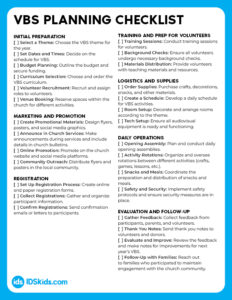
FREE VBS Planning Checklist Download
If you thought this list was helpful, we also have a “VBS Planning Checklist” to help you get started on the logistics of running a VBS program.
Are you ready to embark on this faith-filled adventure with your children’s ministry? We hope these ideas inspire a VBS program that nurtures young hearts and minds.
Remember, the most important aspect of VBS is creating an environment where children can feel God’s love and discover the beauty of their faith. Happy VBS planning!
Did you find this topic interesting? Here are some related articles for you to explore:
In the digital age, a strong online presence is crucial for family-friendly businesses. At IDS, we understand the unique challenges you face and are here to help. Our goal is to support businesses like yours by providing valuable marketing tips that can enhance your visibility and engagement. This blog will guide you through essential SEO tips for beginners, ensuring you have the tools to get ahead and attract more families to your business website.
While you might not be handling the SEO for your business website yourself, having some basic knowledge of SEO and simple tips to improve it can greatly enhance your communication with your web developer or SEO specialist. Understanding these fundamentals will empower you to make informed decisions and contribute to the success of your online presence.
10 SEO Tips to Get Your Started
1. Keywords
An SEO keyword is a specific word or phrase that people use in search engines to find relevant content online. You want your website to include these words and phrases.
Find Simple Keywords: Think about what words people might use to find your business online (e.g., “kids’ activities near me” “child-friendly mall”).
Use Keywords Everywhere: Include these keywords in the titles, descriptions, and content on your website.
2. Page Titles and Descriptions
Page Titles: Make sure every page on your website has a clear title that tells what the page is about. For example, a weak title like “Our Fun Zone” vs the more effective “Interactive Play Area for Kids | Fun Zone in [City Name]“.
Descriptions: Write a short description for each page that summarizes what it’s about. This helps search engines and people understand your page.
3. Quality Content
Write Helpful Content: Create content that answers questions or provides information people are looking for, like your services, events, and how to get involved.
Regular Updates: Add new content regularly, like blog posts about upcoming events or recaps of past activities.
4. Local Information
Google My Business: Set up a Google My Business profile. It’s free and helps people find your business. Include your business’s name, address, phone number, and hours.
Local Keywords: Use phrases like “child-friendly [your type of business] in [your city]” on your website.
Check Your Site on a Phone: Make sure your website looks good and works well on a phone. Many people will look for your business on their mobile devices. Search engines will even penalize you for having an ineffective mobile version of your website.
6. Easy Navigation
Simple Menu: Create a clear menu that helps visitors easily find what they’re looking for, such as your services, location, and contact information. Avoid using unique or creative words; stick to simple, basic terms that both humans and search engines can easily understand. For example, a weak menu header would be “Discover Our Wonders” vs a more clear “Services”, or “Find Us” vs “Location”.
Highlight Important Info: Make sure important information like your address and hours are easy to find. Make sure this information matches what is listed in your Google Business profile.
7. Photos and Images
Add Pictures: Use photos of your business, events, and activities. It makes your website more engaging.
Describe Your Photos: When you upload a photo, add a short description (this is called alt text or alt attributes) to tell search engines what the photo is about. Alt text also allows screen readers to describe on-page images for people who are blind or visually impaired.
8. Secure and Fast
HTTPS: Make sure your website uses HTTPS (a secure website address) not just HTTP. It helps protect visitors’ information.
Keep Info Updated: Make sure your address, hours, and contact info are always up to date everywhere they appear online.
Be Patient: SEO takes time. Don’t expect immediate results, but keep improving your website regularly.
10. Ask for Help
Basic Tools: Use free tools like Google Analytics to see how people find and use your website. It helps you understand what’s working and what needs improvement.
Simple Tutorials: Look for beginner tutorials online or ask for help from someone who knows a bit about websites.
By following these basic steps, you can improve your child-friendly business’s online presence and make it easier for people to find and connect with you.
Did you find this marketing topic interesting? Here are some related articles for you to explore: