Designing a Fun and Functional Optometry Office for Kids

Creating a welcoming space where children feel safe and excited is key to transforming their eye care experience. At IDS Kids, we specialize in designing imaginative optometry office spaces, including eye exam rooms, waiting areas, and glasses display cases, that seamlessly combine fun with functionality. Whether it’s an under-the-sea adventure, a jungle safari, or a whimsical outer space theme, our custom designs ensure a memorable experience for young patients and their families.

1. Welcoming Entrances and Waiting Areas for Kid-friendly Optometry Clinics

Your office’s entrance and waiting area set the tone for the entire visit. Make it a place where kids and parents feel excited and relaxed as soon as they walk in.

Ideas for Entrances:

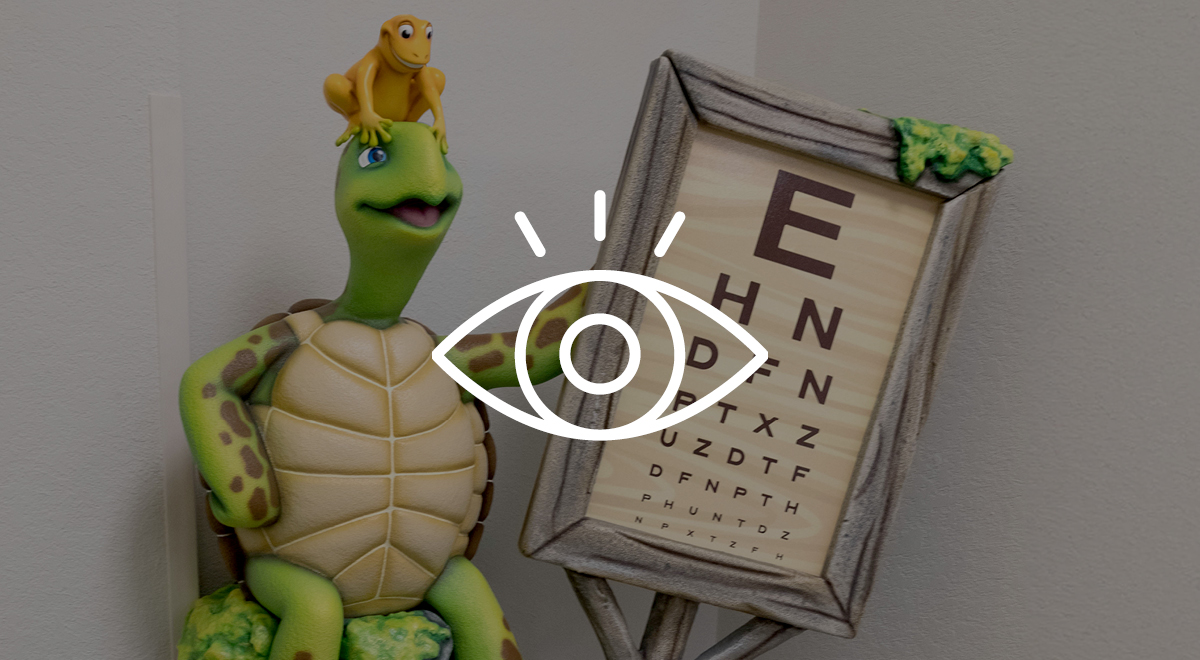
  • Outdoor Photo Opportunities: Add whimsical features like a surfboard-shaped eye chart or a turtle sculpture in sunglasses and a t-shirt to create a buzz and encourage family selfies.
  • Engaging Signage: Use playful, welcoming signs with bright colors and kid-friendly fonts for your welcoming signage and wayfinding signs. Try a “Welcome” sign shaped like a pair of glasses or arrows pointing toward the eye exam rooms with animal or space-themed designs.
  • Exterior Window Murals: Install murals on your exterior windows to create a window to another world.
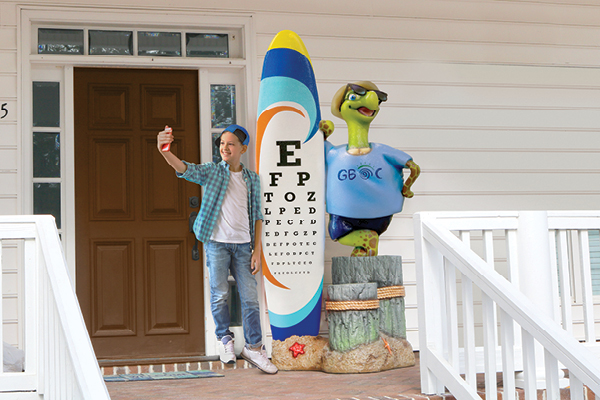
 A whimsical outdoor decoration at an optometrist's office entrance, featuring a surfboard-shaped eye chart and a cheerful turtle sculpture wearing sunglasses and a t-shirt. A person takes a selfie with the decor.
A whimsical outdoor photo op at an optometrist’s office entrance, featuring a surfboard-shaped eye chart and a cheerful turtle.

Ideas for Waiting Areas:

  • Theme-Based Decor: Choose fun themes like a beach, jungle, or outer space. Use coordinating murals, props, and furniture to create a cohesive look.
  • Creative Seating: Incorporate seating shaped like marine animals, tree stumps, or rockets to turn sitting into an adventure.
  • Kid-Friendly Entertainment: Add a small play area with books, puzzles, or digital games that align with the room’s theme.
  • Calming Colors: Use soft blues, greens, or pastels to create a relaxing atmosphere for parents and children.
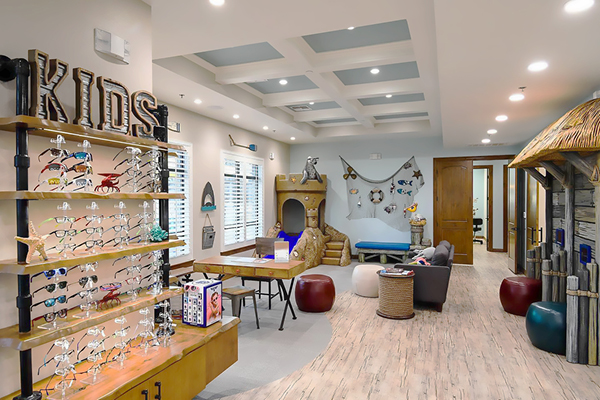
A bright and inviting children's optometry area featuring a "KIDS" sign, colorful frames display, and a beach-themed waiting space with ocean-inspired decor and seating shaped like marine animals.
A vibrant, kid-friendly optometry space complete with ocean-themed decor and playful seating to make every visit enjoyable.


2. Engaging Glasses Display Areas

Turn your glasses display into an attraction where kids are excited to choose their new frames. These areas can be practical while still capturing imagination and curiosity.

Ideas for Glasses Display Areas:

  • Themed Shelving: Use display racks that match a theme, like coral reef-shaped shelves for an underwater design or planets and stars for a space-themed area.
  • Interactive Mirrors: Add fun, themed mirrors shaped like animals, stars, or superhero masks to make trying on glasses entertaining.
  • Colorful Frame Showcase: Highlight kids’ glasses with bold, vibrant displays and signage, like a large “KIDS” sign above the frames.
  • Photo-Worthy Corners: Create a small photo-op spot near the display cases where kids can take pictures in their new glasses, like in front of a jungle mural or under a glowing moon and stars.
  • Vision Care Educational Displays: Add fun facts about eyes, how vision works, or how animals see the world through posters or small interactive displays.


3. Fun and Functional Eye Exam Rooms

Eye exam rooms should balance functionality and creativity to ensure kids feel at ease and doctors can work efficiently. Thoughtful design encourages young patients to stay focused and relaxed during exams.

Ideas for Eye Exam Rooms:

  • Engaging Themes: Choose interactive designs like underwater murals with colorful fish or a jungle setting with trees and animals.
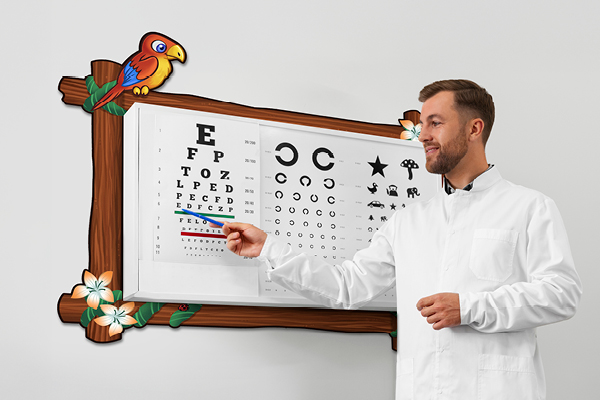
  • Playful Eye Charts: Swap traditional eye charts for those featuring familiar shapes or characters, such as animals, superheroes, or a parrot perched on a tropical-themed chart.
  • Custom Hallway and Door Signs: Use themed signs to guide patients to their eye exam room, like a smiling shark for “Exam Room 6” or a rocket blasting off for “Vision Check Zone.”
  • Comfortable Lighting: Use soft, warm lighting instead of harsh overhead lights to reduce anxiety for kids.
  • Strategic Equipment Placement: Organize exam tools for easy access and minimal distractions, ensuring smooth interactions for both patients and doctors.
  • Children’s Rewards Corner: Add a small station with stickers, toys, or certificates to reward kids for completing their exams. Align the rewards with your theme, like “Explorer Badges” for jungle decor or “Astronaut Medals” for a space-themed room.
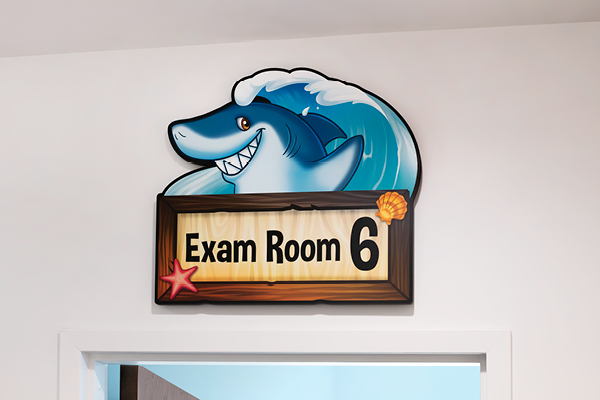
A playful wall sign for an optometrist's office with a smiling cartoon shark riding a wave above the text "Exam Room 6." The sign features a wooden design with starfish and shell details.
Our shark-themed exam room sign adds a splash of excitement to your child’s visit.
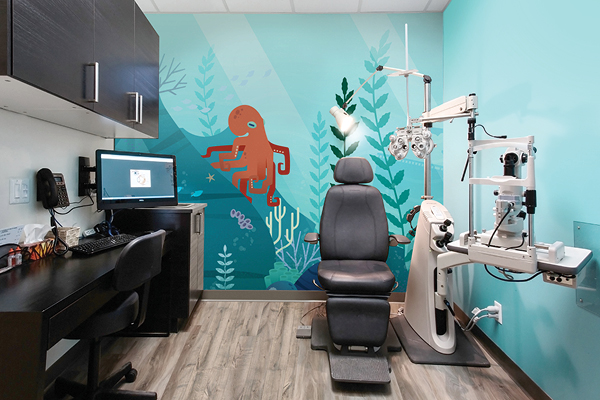
A themed optometry exam room with an underwater mural featuring an orange octopus and coral. The room includes an examination chair, optometry equipment, and a sleek desk setup.
A themed optometry exam room with an underwater mural featuring an orange octopus and coral.
A framed eye chart with a tropical theme, bordered by wooden elements, vibrant flowers, and a colorful parrot perched on the corner.


Transforming an optometry office into a vibrant, child-friendly space goes beyond aesthetics—it creates an environment where young patients feel safe, excited, and at ease. From themed entrances and engaging waiting areas to imaginative glasses display cases and functional eye exam rooms, every detail plays a role in shaping a positive experience for families.

Why Choose IDS Kids?

At IDS Kids, we specialize in transforming ordinary optometry offices into extraordinary spaces. With over 18 years of expertise, we focus on designs that are durable, engaging, and tailored to your needs. From welcoming entrances and playful glasses displays to fun and functional exam rooms, we manage every step of the process to create a patient-centered experience.

From concept to completion, our team will guide you through every step, crafting a room that enhances patient care and reflects your unique practice. Get in touch today by phone, email, or to book a consultation, and let us bring your vision to life!


Did you find this topic interesting? Here are some related articles for you to explore:

Design and Decor Tips for Creating Pediatric Healthcare Spaces

Top 5 Functional Medical Clinic Decor Ideas for Kids

Fun Decor for Optometrists

Contact Imagination Design Studios (IDS) to get started transforming your business into family-friendly experience.


  • Written by Chris Bexiga, Lead Concept Designer at Imagination Design Studios
  • Reviewed by Dave Nolan, President of Imagination Design Studios, with 30+ years in themed environment fabrication.
FOUND THIS ARTICLE HELPFUL?

SHARE THE LOVE!

  • envelope

RELATED POSTS

Explore the Best Children’s Murals for Walls to Transform Any Room

Pediatric Dental Office Design: Why Every Practice Needs a Fun Brushing Station

Child-First Design for Pediatric Dental and Medical Spaces

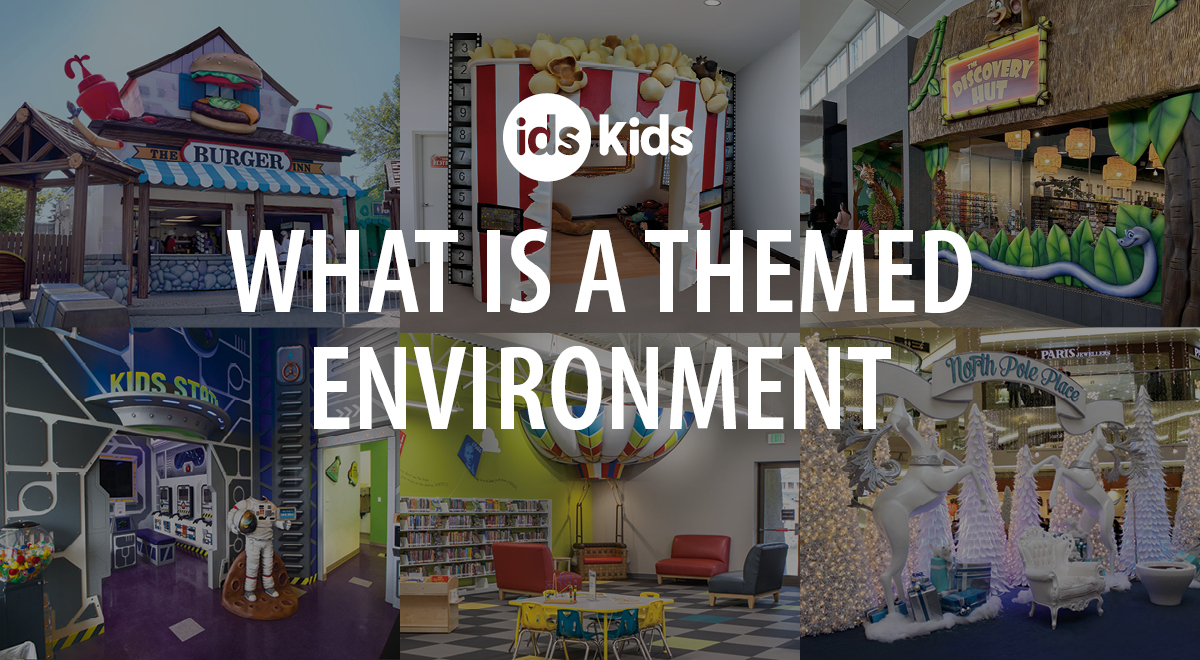
What is a Themed Environment

At IDS, we live and breathe environmental theming, and we understand that this concept might be new to some. That’s why we’re here to shed some light on the magic behind it. Themed environments are the beating heart of immersive entertainment, enveloping guests in meticulously crafted settings that elevate the ordinary into the extraordinary. Whether it’s a wizarding world, a tropical paradise, or a futuristic cityscape, themed environments come to life with astounding realism and creativity.

We’re here to answer the most common questions about theming. Welcome to a world where fantasy meets reality, where every detail is designed to transport you into stories and experiences beyond your wildest dreams!


What Exactly is a Themed Environment?

A themed environment is a specialized area designed to create an immersive experience through detailed storytelling and design. These spaces are often part of amusement parks, museums, restaurants, retail stores, and even educational settings. The key to their magic lies in their ability to engage all the senses, using architecture, technology, light, sound, and even scent to create a cohesive and captivating world.


How Do Themed Environments Elevate Experiences

  1. Storytelling Through Design: Every element in a themed environment contributes to the narrative. Designers use decor, music, and even employee costumes to reinforce the theme and enhance the story being told. This attention to detail ensures that guests are not merely observers but active participants in the narrative unfolding around them.
  2. Emotional Engagement: Themed environments are designed to evoke specific emotions and reactions. Whether it’s the thrill of adventure in a pirate’s cove or the awe of a starlit galaxy far, far away, these spaces use their themes to connect on an emotional level, creating memories that last a lifetime.
  3. Educational Opportunities: Many themed environments are more than just entertainment. They are educational powerhouses that engage children and adults alike in learning through interactive exhibits and themed storytelling, making education a thrilling adventure.
  4. Enhanced Branding: For businesses, themed environments are an excellent tool for branding and customer engagement. They transform traditional business models by turning spaces into unique brand experiences that communicate identity and values in a memorable way.


What are Examples of Themed Environments

  • Theme Parks: Places like Disneyland and Universal Studios are iconic examples of themed environments where every ride, shop, and restaurant serves to enhance the overall theme of adventure and fantasy.

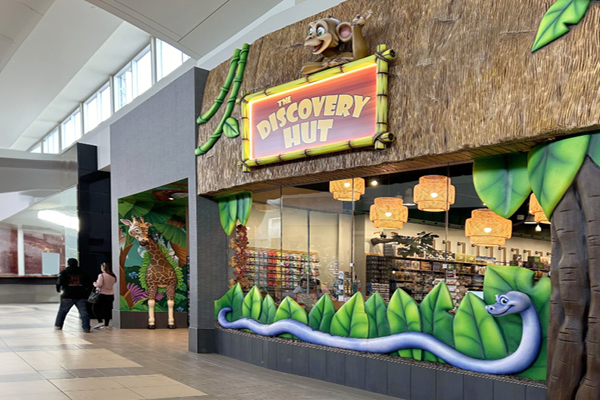
  • Retail Stores: Certain flagship stores use themed designs to enhance shopping experiences. For instance, the Discovery Hut is a game and toy store with a jungle adventure theme. Every location has a jungle facade that carries through the interior.
A colorful store called The Discovery Hut features a jungle-themed store facade with a retail sign, a giraffe, smiling snake, and cheerful animal decorations. Two people walk past in the mall’s bright, spacious corridor.

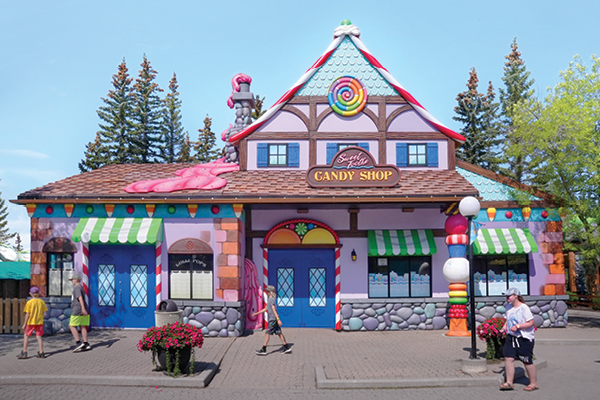
  • Restaurants and Cafes: Themed dining experiences are increasingly popular, offering not just food but an escape into another world. Speakeasy-style bars and restaurants draw on the prohibition period for their decor and styling. A candy shop that is themed to look like it is made out of candy is a great example of an immersive theme.
A whimsical candy store with colorful decorations, including candy-shaped sculptures on the roof and candy cane striped awnings. People walk by the playful, pastel-painted building in this charming themed environment on a sunny day.

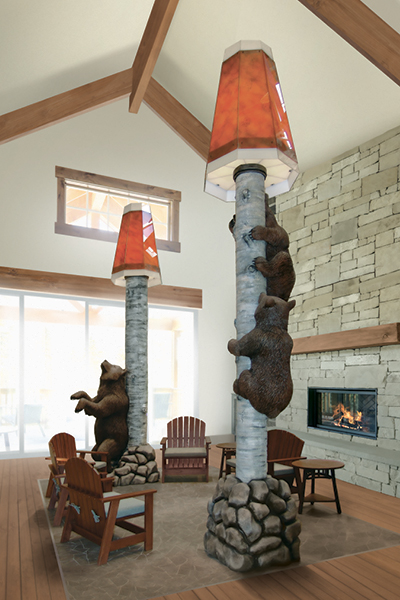
  • Hotels and Restort: By creating themed rooms, suites, and common areas, hotels can offer unique experiences that cater to guests’ imaginations and preferences. A lodge with a nature theme is a basic example. The Fantasyland Hotel at the famous West Edmonton Mall is the perfect example of a hotel using theming as a selling feature.
A cozy lodge interior showcases scenic fabrication with tall lamps styled as birch trees and realistic bear sculptures climbing the poles. Wooden chairs, a stone fireplace, and large windows complete this inviting themed environment.

  • Exhibits and Museums: Museums often utilize themed environments to showcase exhibits. A dinosaur exhibit, for instance, might recreate prehistoric environments, complete with sounds, vegetation, and, of course, giant dinosaurs to transport visitors back in time.

  • Dental Offices with Children’s Theming: Pediatric dental practices are transforming the way young patients see visits to the dentist through themed environments. A pirate-themed dental office, for example, can make a child feel like they’re on an adventure, easing anxiety and making dental care fun.
A brightly lit dental office with red cabinets and playful themed decor, including a cartoon shark and pirate with wide open mouths, palm trees, a shipwreck, and a beach scene mural that creates a fun, imaginative environment for kids.

  • Children’s Areas in Churches: Many churches create themed areas for their younger congregants to make religious education more engaging. These might include Noah’s Ark-inspired play areas or Bible story-themed rooms, helping children learn through play and storytelling.
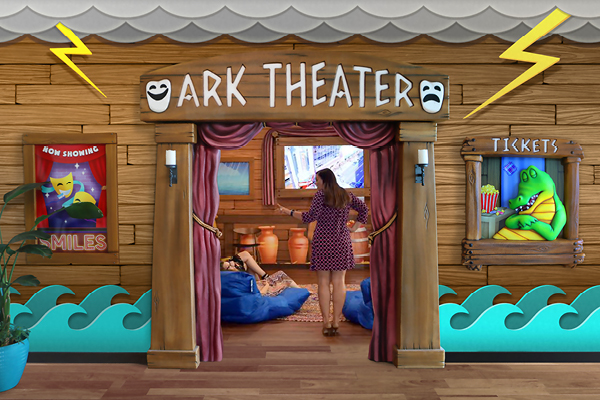
A woman stands at the entrance of a whimsical, ocean-themed Noah's Ark themed theater with cartoon waves and scenic fabrication details. Inside this playful themed environment, two children lounge on blue bean bags, watching a screen.

  • Children’s Libraries: Libraries are adopting themes to make reading more enticing for kids. From enchanted forests to space stations, these themes help ignite the imaginations of young readers, making every book an adventure waiting to happen.
This themed environment features a colorful children's library area with bookshelves, small tables and chairs, cushioned seating, and a decorative hot air balloon display. The bright green walls are adorned with colorful kites, creating playful scenic fabrication.

  • Hospital Pediatric Wards: Hospitals are increasingly turning to themed environments to make their pediatric wards less intimidating for children. Themes such as superhero cities or underwater adventures can make a hospital stay less frightening and more intriguing for young patients.
A brightly lit medical exam room with green walls, a jungle-themed mural, a blue exam table, a brown cabinet with a sink, and a cartoon tiger head decoration hanging from the ceiling.


Who Creates the Magic Behind the Scenes

Creating a themed environment is a multidisciplinary endeavor involving architects, designers, artists, engineers, and storytellers. Technology plays a crucial role, with modern advancements like soundscapes and immersive lighting effects pushing the boundaries of what’s possible in creating deeply immersive experiences.

At IDS, we specialize in bringing these fantastical worlds to life. Our team of expert designers, architects, and storytellers work collaboratively to transform your space into a captivating themed environment that meets your specific needs. From concept to completion, we handle every aspect of the project, ensuring that each detail is meticulously crafted to create an immersive and engaging experience. Whether you are looking to enhance a retail space, a hospital pediatric ward, or any other child-friendly area, we are here to turn your vision into reality.


The Magic of Themed Environments

Themed environments are not just about seeing a new world; they’re about feeling and experiencing it firsthand. They remind us that with a little creativity and lots of dedication, the line between reality and imagination can blur beautifully. Whether for fun, education, or brand engagement, themed environments offer a unique way to experience stories in a way that engages, educates, and entertains.

So next time you step into a themed space, take a moment to appreciate the incredible artistry and effort that goes into creating these magical worlds!


Want some more inspiration on themed environments?

How Exterior Theming Can Draw Visitors to Your Tourist Attraction

Playful Photo Op Inspiration

The Secret to Attracting Young Families to Your Shopping Center

Contact Imagination Design Studios (IDS) to discover how to promote your business with a themed environment.


FOUND THIS ARTICLE HELPFUL?

SHARE THE LOVE!

  • envelope

RELATED POSTS

Explore the Best Children’s Murals for Walls to Transform Any Room

Pediatric Dental Office Design: Why Every Practice Needs a Fun Brushing Station

Child-First Design for Pediatric Dental and Medical Spaces

Color and Light in Interior Spaces for Children with Autism

For children diagnosed with autism, their surroundings play a crucial role in determining their sense of ease and overall health. Extensive research has delved into the correlation between color and light and the well-being of children with Autism Spectrum Disorder (ASD). In this article, we’ve compiled key insights from these studies.


Enhancing Interior Spaces for Children with Autism: A Guide to Color and Light

We are intrigued by the discoveries unearthed in these studies and feel compelled to share them. We aim to equip architects, designers and business owners who are creating autism centers, ABA therapy facilities, and other spaces dedicated to those on the spectrum. We hope these valuable insights help to craft environments better suited to the needs of these children. Read on to learn more.

Understanding Autism

Autism is characterized by difficulties in social communication and interaction. People with autism may also have sensory sensitivities, making them particularly sensitive to stimuli in their environment. This includes sensitivity to colors and lights.


Light and Color on the Autism Spectrum

In a recent study by Sardar S. Shareef and Guita Farivarsadri titled “The Impact of Colour and Light on Children with Autism in Interior Spaces from an Architectural Point of View” [1], the role of color and light in interior spaces for children with autism was investigated.

Key Findings:

  1. Color Preferences: According to the study, neutral colors like grey, green, blue, and white were generally preferred by children with autism. Bright colors like red and yellow were found to have adverse effects on them.
  2. Light Preferences: Natural light was favored whenever possible, while artificial lighting, especially fluorescent lights, was generally disliked due to flickering and negative effects on perception.

Grey color has no effect, either positive or negative, on those with ASD. White colors if used alone were found to have a negative effect.

Preferred lighting techniques to use in spaces for people with autism include more natural styles of lighting:

  • Indirect sunlight, controlled with the use of curtains
  • Indirect tungsten lighting
  • Indirect white LED light
  • Use dimmers to control artificial lighting


A study conducted by Marine Grandgeorge and Nobuo Masataka on “Atypical Color Preference in Children with Autism Spectrum Disorder” [2] has similar findings. This study provides valuable insights into the atypical color preferences of children with autism spectrum disorder.

Children with ASD exhibited distinct color preferences compared to children with typical development (TD). While TD children showed a typical preference for red and blue, boys with ASD displayed an aversion to yellow and a heightened preference for green and brown. These differences were consistent across different age groups within the ASD population.

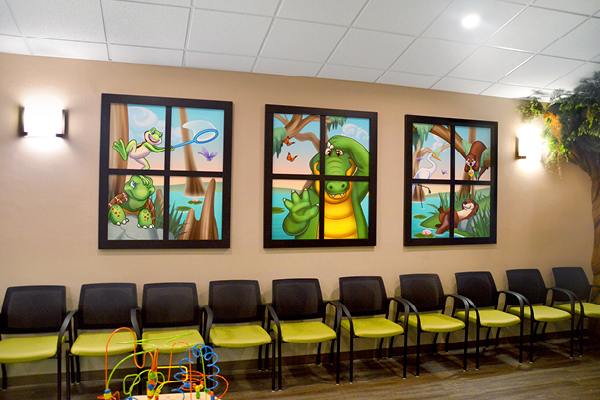
A waiting room with three framed wall murals featuring cartoon alligators and swamp animals in a playful, nature-themed setting.
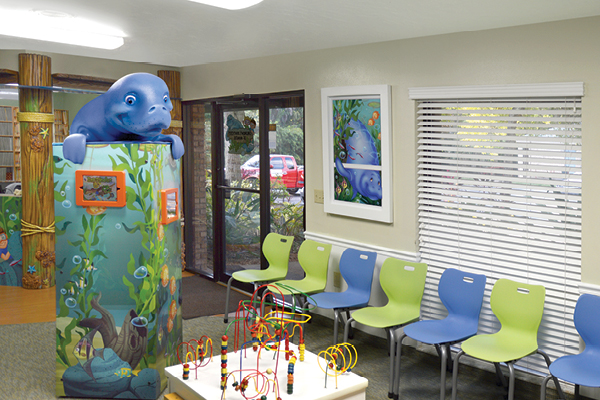
A bright pediatric waiting room with blue and green chairs, a play table with bead mazes, colorful aquatic-themed wall art, and a large sculpted manatee figure on a video game tower.
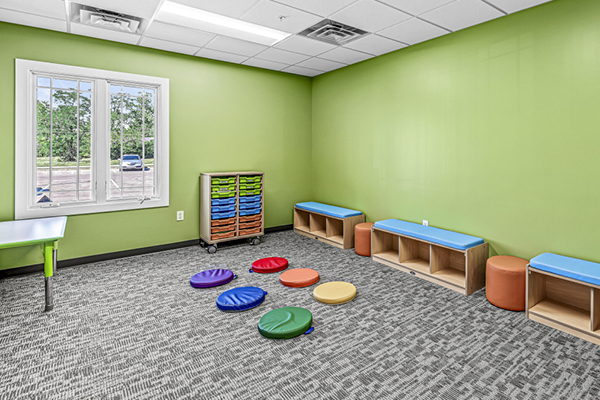
A bright, green-walled classroom with a window, blue benches, storage cubbies, and colorful round floor cushions arranged in a circle on gray carpet. A cart with green trays stands near the wall.
Example of an ABA therapy center with underwater theming.

The aversion to yellow in children with ASD may be linked to their heightened sensitivity to sensory stimuli, particularly luminance. The preference for green and brown aligns with anecdotal reports and may reflect a unique perceptual experience in children with ASD. Neurological explanations suggest disruptions in color processing pathways, contributing to these atypical preferences.


To add on to these findings, another study, “A case study on the effect of light and colors in the built environment on autistic children’s behavior” [3], found that the sensitivity of autistic children to colors plays a crucial role in their perception and interaction with their environment. Research suggests that the choice of colors in interior spaces can significantly impact their mood, behavior, and learning outcomes.

By incorporating autism-friendly color palettes such as pastel shades and muted tones while avoiding bold and bright colors, indoor environments can be designed to provide a soothing sensory experience for autistic individuals.

This study also explored how visual aids like landmarks and color-coding can simplify navigation for autistic individuals. Researchers observed children’s behaviors in their classrooms beforehand. Implementing a simple navigation system with color-coded paths can make it easier for visually sensitive autistic individuals to move around without fear. Also, colorful mats were utilized to create color shapes on the floor, enhancing the accessibility and navigability of areas for autistic children.

Church classroom signs with animal themed rooms.


What Are the Implications for Designers

  • Use neutral and muted colors, avoiding bright and saturated hues.
  • Prioritize natural lighting and minimize the use of fluorescent lights.
  • Consider the use of color coding in wayfinding solutions.
  • Consider the individual needs and sensitivities of each child when designing spaces.


Children’s spaces are meant to be colorful, and when crafting a business tailored for children, embracing vibrant and playful colors becomes essential for creating an inviting and engaging environment. If your space caters to all children, you don’t have to be scared of yellows, pinks, and reds! Whether it’s a daycare center, a toy store, or a children’s clothing boutique, incorporating bright hues and cheerful designs can captivate young imaginations and foster a sense of joy and excitement.

However, when creating specialized spaces for children on the spectrum, it’s important to be mindful of color and its effects. Designers should prioritize light, color, and space considerations in environments that cater to autistic children. By understanding their preferences and sensitivities, architects and designers can play a crucial role in enhancing the well-being and comfort of these children in interior spaces, ensuring inclusivity and accessibility for all.

Further research and attention to this area are needed to continue improving design practices for individuals with autism.


For our article today, we reference the studies found here:

[1] The Impact of Colour and Light on Children with Autism in Interior Spaces from an Architectural Point of View

[2] Atypical Color Preference in Children with Autism Spectrum Disorder

[3] A case study on the effect of light and colors in the built environment on autistic children’s behavior


If you would like to learn about creating welcoming spaces for children, check out these additional resources from IDS:

Enhancing ABA Therapy Centers with Themed Decor

The Healing Power of Fun Decor in Children’s Hospital Environments

8 Color Schemes and What They Mean for Your Office Vibe

Design and Decor Tips for Creating Pediatric Healthcare Spaces

FOUND THIS ARTICLE HELPFUL?

SHARE THE LOVE!

  • envelope

RELATED POSTS

Pediatric Dental Office Design: Why Every Practice Needs a Fun Brushing Station

Explore the Best Children’s Murals for Walls to Transform Any Room

Child-First Design for Pediatric Dental and Medical Spaces

Social Media Post Inspiration for Churches

In today’s digital age, social media is a powerful tool for connecting with your congregation, spreading the message of faith, and reaching out to the broader community. Whether you’re looking to inspire, inform, or engage, these creative post ideas will help your church’s social media presence flourish. Let’s explore how you can make your church’s online platform a beacon of light and community.

Post ideas for churches to use on social media

SUNDAY SERVICE INVITATIONS

Share inviting graphics or videos promoting your upcoming Sunday services. Include details such as the theme, sermon topic, and any special activities or events happening during the service.

SCRIPTURE REFLECTIONS

Share daily or weekly reflections on a Bible verse or passage. Include a brief commentary or personal reflection to encourage engagement and discussion among your followers.

PRAYER REQUESTS AND PRAYERS

Create posts inviting your followers to share their prayer requests in the comments or via direct message. Offer prayers of support and encouragement for those who have shared their needs.

BEHIND-THE-SCENES

Offer a glimpse behind the scenes of your church’s ministries and activities. Share photos or videos of volunteers preparing for an event, setting up for a service, or participating in a community outreach project.

TESTIMONIALS AND STORIES

Share stories of transformation and testimonies from members of your congregation. Highlight how God is at work in the lives of individuals and families within your church community.

EVENT PROMOTIONS

Promote upcoming events, workshops, and special services hosted by your church. Create eye-catching graphics or videos to generate excitement and encourage attendance.

COMMUNITY OUTREACH

Highlight your church’s involvement in community outreach and service projects. Share photos and stories from volunteer opportunities, charity drives, and partnerships with local organizations.

MINISTRY SPOTLIGHTS

Showcase different ministries within your church, such as youth group, women’s ministry, or outreach programs. Share photos, videos, and testimonials from participants to illustrate the impact of each ministry.

INTERACTIVE POLLS AND QUESTIONS

Engage your followers with interactive polls, questions, and quizzes related to faith, spirituality, and church life. Encourage participation and dialogue among your community members.

ENCOURAGING QUOTES AND MEMES

Share uplifting quotes, memes, or graphics with inspirational messages of hope, faith, and love. These posts can serve as daily reminders of God’s presence and encouragement for your followers.

LIVESTREAMS OF SERVICES

Utilize live streaming features to broadcast your church services in real-time for those unable to attend in person. Share links or reminders before each service to invite virtual attendees to join.

Q&A SESSIONS WITH PASTORS OR LEADERS

Host live or pre-recorded Q&A sessions with your church’s pastors or leaders. Invite followers to submit questions on various topics related to faith, theology, and church life.

INTERACTIVE CHALLENGES OR DEVOTIONALS

Create interactive challenges or devotionals for your followers to participate in throughout the week. Encourage them to share their experiences and reflections using a specific hashtag.

SEASONAL CONTENT

Share content related to upcoming holidays and seasons, such as Easter, Christmas, or Advent. Offer reflections, traditions, and activities to help followers celebrate and engage with these special times of the year.

GRATITUDE AND CELEBRATIONS

Take moments to express gratitude for your church community and celebrate milestones, anniversaries, and achievements. Recognize and thank volunteers, staff members, and supporters who contribute to the life of the church.

By incorporating these post ideas into your social media strategy, you can effectively engage your church community, foster meaningful connections, and share the message of God’s love and grace with a wider audience.

Harnessing the power of social media can transform the way your church connects with its congregation and the wider community. By incorporating these diverse and engaging post ideas, you can create a vibrant online presence that reflects the heart and soul of your church. Remember, the goal is to inspire, inform, and build a sense of community. We hope these ideas spark creativity and help you spread your message far and wide. Happy posting, and may your social media efforts bring joy and spiritual growth to all who encounter them!


Did you find this topic interesting? Here are some related articles for you to explore:

Church Marketing Tips and Strategies

Attract Families to Your Church with Decor for Kids

Effective Strategies for Churches to Connect with Their Community

5 Steps Churches Can Take to Create a Family-friendly Atmosphere

Contact Imagination Design Studios (IDS) to get started transforming your church into family-friendly sanctuary.

FOUND THIS ARTICLE HELPFUL?

SHARE THE LOVE!

  • envelope

RELATED POSTS

Threading a Theme Through Your Digital Space

How Theming Creates the Ultimate Brand for Your Business

10 Exciting VBS Activity Ideas for Children’s Ministries

Orange Conference Interview with IDS Creative Consultant Erin

IDS recently embarked on an exciting journey to Atlanta, Georgia, where we had the incredible opportunity to attend the Orange Conference 2024. Trust us when we say, it was an experience like no other! We were surrounded by passionate individuals, all dedicated to making a difference in the lives of children and families.

Creative Consultant Erin Blondin had the absolute pleasure of chatting with the amazing crew behind the Orange Conference, getting the opportunity to share the passion we have for transforming children’s spaces. Read the exclusive interview below.

Can you tell us a little bit about yourself and Imagination Design Studios?

I’m Erin, a Creative Consultant at IDS. We specialize in creating welcoming spaces for children through themed decor.

For the last 17 years, we used the power of theming to take the anxiety out of dental and medical appointments, giving children a better experience and setting them up for a lifetime of better health outcomes. We recognize the benefit of our theming for creating welcoming spaces, so we began offering our services to other child-friendly businesses, like libraries, daycares, and of course, churches!

What exactly is themed decor?

When we talk about themed decor for kids, we’re talking about all the fun stuff that makes a space feel like an adventure! Think murals covering the walls, cool 3D backdrops, and interactive activities like video games and slides. The themes are endless, from forest adventures to underwater explorations or even stepping back in time to biblical cities, it’s all about creating an awesome world that kids can dive into headfirst.

What do you think the biggest challenge facing church leaders today is?

Churches face the challenge of engaging younger generations amidst a distracting world filled with tech and temptation. Youth leaders face a daily struggle to build connections, maintain relationships, and retain members as they grow up.

What are some common pain points church leaders face when trying to create meaningful connections with children?

Creating a welcoming environment for children in spaces often designed for adults is challenging. Youth leaders must contend with distractions like technology and competing activities vying for kids’ attention. This makes maintaining engagement during religious education programs or services quite difficult.

Themed decor can play a crucial role in creating an inclusive environment. Children feel a connection with a space catered to them, giving them a sense of belonging. This welcoming atmosphere not only makes children feel valued and accepted but also encourages them to actively engage in church activities. Themed decor is about getting kids excited and involved in everything from Sunday school to youth group hangouts and special events. It’s like magic; once they’re surrounded by the right atmosphere, they’re all in, ready to jump in and participate wholeheartedly.

What should people know about the impact of themed decor in creating a welcoming and engaging environment for families?

Our themed decor isn’t just about looks—it’s a strategic tool for attracting and retaining families. By creating standout environments, we draw in new visitors and keep existing ones engaged. This approach transforms your church into a sought-after destination where families feel welcomed and connected.

Just as theming has helped kids in the dental industry think positively about their appointments, helping kids form awesome memories strengthens their connection to the church and enriches their spiritual journey for years to come.

Can you share any specific examples of situations where themed decor has helped address a particular challenge for a church leader?

The same phrase comes up every time a church leader contacts us – they want to “revitalize their youth spaces”. And that’s exactly what we do – we bring energy and excitement into a space.

Our recent project addressed a pressing concern for a community: the lack of safe spaces for kids to hang out after school. Kids don’t have places they can hang out anymore. They’ll get in trouble for loitering! With public spaces becoming increasingly restricted, we worked with this church to design a lounge area specifically for kids and young teens. It was a big hit! Not only did it provide a safe and welcoming environment, but it also sparked a renewed sense of excitement among the youth. As a result, there was this buzz of energy and connection that you could feel throughout the congregation. It just goes to show the power of creating inclusive spaces where everyone feels like they belong.

What advice would you give to church leaders who are unsure about where to start?

Talk to us, we’re the experts on kid-centric spaces. We’ll help you understand the needs of your congregation and find the best solution for you. And we recommend focusing on the areas that will have the biggest impact first – daycare playrooms, nursery rooms, and Sunday school classrooms. You can expand out from there as your attendance grows.

What trends do you foresee in themed decor for children in churches?

We brought a woodland themed booth for a reason! Nature-themed decor, such as woodland settings with characters on adventures and trees as focal points, creates calming atmospheres that resonate with both children and adults. Additionally, themes reflecting “community,” like backyard settings, are gaining popularity for their welcoming feel.

But it’s not just about looks; it’s about creating spaces where kids can really dive in and explore. That’s why interactive products, like play areas and hands-on activities, are becoming a big hit.

Flexibility is key! Being able to switch things up and move seating around easily to suit different age groups and activities makes a huge difference.

You can make a big impact with minimal effort by using murals. They transform a space and make it feel like you’re stepping into a whole new world. It’s all about creating environments that draw people in, spark their imagination, and make them feel at home.

Thank you for chatting with us today.

My pleasure! We can’t wait to come back again next year!

FOUND THIS ARTICLE HELPFUL?

SHARE THE LOVE!

  • envelope

RELATED POSTS

Case Study: Theming for Long-Term Impact Across 13+ Community Health Centers in Washington

10 Exciting VBS Activity Ideas for Children’s Ministries

Social Media Post Inspiration for Churches

Effective Strategies for Churches to Connect with Their Community

In today’s fast-paced world, where families are constantly juggling various commitments and responsibilities, churches often find themselves seeking innovative ways to reach out and connect with their local communities.

Connecting to families demands a proactive approach that addresses the unique needs and interests of parents and children alike. By drawing insights from a variety of sources, churches can develop strategies that not only promote their message but also foster genuine relationships within their neighborhoods.


Effective Strategies for Churches to Connect with FAMILIES IN THEIR NEIGHBORHOOD


Provide Childcare Services: Meeting Crucial Needs

One of the primary concerns for parents attending church events is the availability of childcare. Offering free, safe, and reliable childcare during gatherings such as mom’s morning out or parents’ night out can be a game-changer. Not only does this alleviate a major stressor for parents, but it also creates a positive impression of the church as a caring and supportive community. These church events might be among the few occasions that parents can attend solely because of the availability of childcare, serving as a genuine lifeline for these families.

Summer Programs for Kids: Cultivating Engagement

Summer vacation often poses a challenge for parents trying to keep their children engaged and occupied. Hosting programs like Vacation Bible School, day camps, or field trips tailored to various interests can provide a solution. These activities not only offer children opportunities for learning and fun but also serve as a magnet for families seeking wholesome summer activities.

Community Engagement: Extending Beyond Church Walls

Building meaningful connections with the broader community is key to establishing a church’s presence. Actively participating in local events, collaborating with schools, and addressing specific needs within the neighborhood demonstrate a genuine commitment to serving others. Participating in a park clean-up day, hosting an open house summer BBQ, or joining a neighborhood parade of garage sales are excellent ways to engage with community events in a fun and meaningful manner. Such efforts not only foster goodwill but also pave the way for long-term relationships with families.

Operating a Preschool: Investing in the Future

While establishing a church preschool requires significant investment and planning, it can be a powerful tool for outreach. By providing quality early education in a nurturing environment, churches can introduce families to their community while instilling core values aligned with their mission.

Sharing Family Resources: Supporting Parenthood

Parenting comes with its own set of challenges, ranging from navigating social media to addressing bullying. Offering resources and organizing family-oriented events like game or movie nights can provide much-needed support to parents. By equipping families with tools and knowledge, churches can strengthen family bonds and reinforce their role as a valuable resource.

Youth Sports Leagues: Building Connections Through Play

Sports have a unique ability to bring people together and foster camaraderie. Running a youth sports league not only provides children with opportunities for physical activity and skill development but also allows church volunteers to build relationships with families. Integrating faith into sports activities promotes holistic growth and reinforces the church’s values in a dynamic setting.


BUILD YOUR CHURCH COMMUNITY

Effective outreach for churches transcends mere promotion of Sunday services; it involves genuine engagement and service to the community. By implementing strategies that address the needs of families, provide opportunities for connection, and create a welcoming environment, churches can establish themselves as pillars of support and sources of inspiration within their neighborhoods. As they continue to adapt and innovate, churches can play a vital role in nurturing strong, vibrant communities where families thrive.


For more resources to help you create a family-friendly church atmosphere:

5 Steps Churches Can Take to Create a Family-friendly Atmosphere

Attract Families to Your Church with Decor for Kids

10 Exciting VBS Activity Ideas for Children’s Ministries

Church Marketing Tips and Strategies

FOUND THIS ARTICLE HELPFUL?

SHARE THE LOVE!

  • envelope

RELATED POSTS

10 Exciting VBS Activity Ideas for Children’s Ministries

Social Media Post Inspiration for Churches

Orange Conference Interview with IDS Creative Consultant Erin

Value vs Expense: Investing in Quality

In the landscape of consumer choices, the debate between value and expense often takes center stage.

The Boots Theory of Socioeconomic Disparity, as originally coined by Terry Pratchett in his Discworld series, suggests that people with less disposable income actually end up spending more in the long run because they can only afford cheaper, low-quality items that need frequent replacement.

The example goes, rather than investing in one expensive, quality pair of boots that may last decades or even a lifetime, they’ll buy a cheaper alternative that wears thin quickly and must be replaced year after year, costing more in the long run.

This theory can be reframed to emphasize the benefits of paying more for a quality product that is durable, well-made, and comes with a warranty. Let’s call this the Investment in Quality Theory. It’s not a catchy name, but the idea should catch your attention. While the upfront cost of a high-quality product may be higher, the long-term benefits and cost savings can outweigh the initial expense.

Here’s a better way you can understand this concept. In the realm of consumer choices, there exists a pragmatic approach to purchasing that advocates for paying more upfront to secure a product of superior craftsmanship, durability, and guaranteed longevity. Much like the Boots Theory highlights the cyclical struggle of those with limited resources, this theory encourages consumers to break free from the cycle of frequent replacements and ongoing expenditures on subpar items.

Imagination Design Studios, with our commitment to quality theming, embodies this theory, providing not only an immediate transformative experience but also long-term advantages that justify the initial expense.


Long-Term Patient and Business Benefits

Investing in IDS theming is not just about aesthetics; it’s a strategic move that yields lasting benefits for both patients and businesses:

  1. Substantial ROI: Clients report significant returns on their investment, with increased patient numbers and revenue. The theming becomes a driving force behind business growth, exemplified by case studies where clients attribute an additional $800,000 to theming, contributing to a substantial return on investment.
  2. Impact on Patient and Staff Experience: Theming extends beyond mere decoration; it creates lifelong benefits by reducing treatment anxiety, fostering positive memories, and providing a stress-free environment for both patients and staff.
  3. Marketing and Patient Growth: Themed environments are not just decorative; they serve as powerful marketing tools. Examples, such as an office experiencing a surge in new patients after installing an octopus-themed feature, highlight the tangible impact of IDS theming on patient growth.

Imagination Design Studios’ commitment to quality theming aligns seamlessly with the Investment in Quality Theory. The upfront expense transforms into a strategic investment, delivering unparalleled value in terms of patient experience, business growth, and long-term cost savings.

What do we say to potential clients who say we are expensive?

Yes, we are.

But our company – and our existing clients – believe that price is a reflection of quality. You get what you pay for.

You are paying for 30 years of research, development, and experience. We may not always compete with others on price alone… but we will more than compete on quality, service, customer experience, and the stories and details that make our product second to none.


Customization and Budget Flexibility

IDS recognizes the diverse financial landscapes of its clients and offers various avenues for customization and budget flexibility:

  1. Financing Options: Many clients seamlessly integrate IDS theming into their building costs or marketing costs, making discussions with local funders, such as Bank of America, easier. This financial support reinforces the idea that IDS products are not just expenses but strategic investments.
  2. Marketing Effectiveness: We know theming goes beyond traditional advertising methods, offering a more effective strategy to attract new patients. The immersive experience created by themed environments contributes to increased patient referrals and positive online reviews, underlining the long-term benefits of the investment.
  3. Affordable Starting Points: We suggest starting with budget-friendly options, such as murals from the IDS Essentials™ Collection. This allows our clients, especially new grads, to initiate theming in a cost-effective manner, ensuring a positive first step toward a fully themed environment.
  4. Phased Implementation: We encourage a phased approach to theming, allowing clients to add elements over time as their budget permits. This strategic implementation ensures a cohesive look while demonstrating a commitment to the long-term vision.


Testaments to Our Quality

We have two great stories from our existing clients that we would like to share. This one happened very recently.

Let’s look at “Dr. M”. He had already decked out his first office with our themed creations, creating a woodland wonderland for little ones. But when it came to opening a second office with a new business partner, convincing them of the magic of theming was a bit of a challenge.

Concerned about costs, they decided to shop around. They ordered a ‘test piece’ from a cheaper company to see how they compared. Upon its arrival, disappointment swiftly followed. The subpar quality and lackluster craftsmanship fell short of their expectations, failing to capture the details and personality that made our pieces stand out.

Realizing the undeniable disparity in quality, Dr. M and his partner swiftly returned to us, recognizing the value in our products. With renewed confidence, they worked with our team to adorn their second office with our fun and friendly pieces.

In the end, their experiment showed them (and proved to us) that our commitment to quality and attention to detail is worth any additional expense. And as they watch kids explore and play in their themed office, they know they’ve made the right choice for endless smiles and adventures.


Another story from a few years ago also involved another experiment in price comparison.

“Dr. L” faced a similar conundrum when she sought to revamp her children’s space. Despite being drawn to IDS’s renowned expertise, she hesitated due to cost concerns, opting instead for a local company.

However, the theming delivered by the local company was disappointing and ended up going straight into the trash. Disheartened but determined, Dr. L turned to IDS, recounting her story. IDS, understanding her plight, delivered exactly what she wanted and more. This experience reinforced the importance of investing in quality, proving that sometimes, it’s worth paying a bit more for the right outcome.


As clients share success stories and the transformative power of IDS theming, it becomes clear that the initial investment is a small price to pay for the enduring benefits that extend far beyond mere aesthetics.


Invest in Our Quality

With IDS Kids, you’re not just paying for theming. You’re investing in 30 years of research, development, and unparalleled experience. Our themes transform patient experiences and are backed by warranties that assure their longevity. We believe in creating environments that inspire, comfort, and last. Yes, our products are an investment — an investment in quality that continues to pay dividends in smiles, growth, and community impact.

Join us, and transform your space into a world of wonder.


Are you looking for more information about theming with IDS?

How to Theme Your Space on a Budget

Benefits of Themed Decor

Case Studies of IDS Theming Customers

Testimonials from IDS Clients

Contact Imagination Design Studios (IDS) to get started transforming your office from a mundane to magical patient experience.

FOUND THIS ARTICLE HELPFUL?

SHARE THE LOVE!

  • envelope

RELATED POSTS

Inclusive Design for Children’s Spaces: Why Inclusion Matters

FAQ: How Can IDS Help Solve Common Hospital Design Challenges

AI is Just a Tool – Our Artists Bring the Magic

Unlocking Success: Tips and Tricks for Applying for Grants

In today’s competitive business landscape, securing funding through grants can be a game-changer for your organization. Grants offer the financial support needed to fuel growth, innovation, and social impact. However, the grant application process can be complex and highly competitive.

To increase your chances of success when applying for a grant, consider these valuable tips and tricks:

Research, Research, Research:

Before diving into the application process, invest time in researching potential grant opportunities. Identify grants that align with your business goals, mission, and industry. Each grant may have unique criteria and priorities, so it’s crucial to tailor your applications accordingly.

Tip: Research the grant-offering institution to understand their goals, values, and objectives. This will help you tailor your application to align with their interests​​.

Build Strong Relationships:

Networking is key in the world of grant applications. Establish connections with grantmakers, attend industry events, and join relevant associations. Building relationships can provide insights, recommendations, and even a foot in the door. After all, it’s who you know.

Craft a Compelling Story:

Your application should tell a compelling story about your business, its impact, and why it deserves the grant. Highlight your mission, achievements, and the specific project or initiative the grant will support.

Tip: Highlight your company’s credibility. Use testimonials, data, and success stories to demonstrate why your business is a worthy recipient of the grant​​.

Understand the Requirements:

Carefully read and understand the grant’s guidelines, requirements, and deadlines. Ensure you meet all eligibility criteria and provide all necessary documentation. Missing a crucial element can lead to rejection.

Tailor Your Proposal:

Customize each grant proposal to match the grant’s focus and objectives. Clearly demonstrate how your project aligns with the grantor’s mission and how their funding will make a difference.

Demonstrate Sustainability:

Grantmakers often want to see that their investment will have a lasting impact. Outline a clear plan for how your project or initiative will be sustained beyond the grant period.

Budget Wisely:

Create a detailed and realistic budget for your project. Be transparent about how grant funds will be allocated, and ensure that every dollar serves the intended purpose.

Seek Professional Assistance:

If necessary, consider hiring a grant writer or consultant with expertise in your industry. They can help you craft a compelling proposal and navigate the complexities of the application process.

Review and Edit:

Before submitting your application, review it meticulously for errors, clarity, and completeness. Consider seeking feedback from peers or mentors to ensure your proposal is as strong as possible.

Tip: Organize all required documents, such as financial statements, tax returns, business licenses, and letters of recommendation, in advance​​.

Follow Up:

After submitting your application, follow up with the grantmaker as appropriate. Express your gratitude for the opportunity and inquire about the timeline for decisions. Maintain a positive and professional relationship.

Remember that grant applications can be highly competitive, and rejection is common. Use each application as a learning opportunity, gather feedback, and continually refine your approach. By applying these tips and tricks, you can increase your chances of securing the funding needed to propel your business forward and make a positive impact on your community or industry.


For more resources and helpful tips from IDS:

Grant Resources for Child-friendly Businesses

Whether Your Office is Big or Small, IDS Can Theme It All

FOUND THIS ARTICLE HELPFUL?

SHARE THE LOVE!

  • envelope

RELATED POSTS

10 Halloween Dental Office Ideas for Pediatric Practices

Inclusive Design for Children’s Spaces: Why Inclusion Matters

FAQ: How Can IDS Help Solve Common Hospital Design Challenges

The Magic of Parade Floats: Types and Benefits

Parades have long been a cherished part of celebrations and cultural events worldwide. They evoke a sense of excitement, bringing communities together to celebrate special occasions and traditions. At the heart of these parades are the captivating parade floats, which not only add a touch of grandeur but also tell stories, promote businesses, and entertain the crowd.

In this blog post, we’ll explore the various types of parade floats and dive into the many benefits they bring to parades of all kinds.


Types of Parade Floats

Push Floats (or Manually-Powered Floats):

Push floats are typically moved manually by a group of people who push or pull the float along the parade route. These floats are a cost-effective option since they don’t require a vehicle for propulsion.

A colorful parade float, shaped like a giant jar of fireflies with "dream" and stars, is pushed by people in red shirts and cowboy hats. Featuring a University of Calgary sign, this lively example of parade floats rolls past a cheering downtown crowd.
A parade float features a large artist horse sculpture painting at an easel, with people in cowboy hats walking alongside. The vibrant parade floats display a colorful banner reading in-definite arts society: Be Inspired. Urban buildings rise behind.


Car-Driven Floats:

Car-driven floats are built on a vehicle chassis, such as a truck or trailer, which provides the power and mobility needed to move the float. The vehicle is often concealed within the float’s design. Car-driven floats are versatile and can accommodate larger and more elaborate designs. They can also move at a consistent speed, allowing for precise synchronization with performances or other elements of the parade.

Parade floats with a “Red Deer Westerner Days” theme feature cowboy and cowgirl figures, colorful signs, and event dates July 17-21, 2019. The vibrant float is parked in a lot with trees and cars in the background.
A colorful parade float, one of the standout parade floats, is decorated with large flowers, a sunflower, a ladybug, and bees. Featuring a Cenovus sign and the slogan Together We’re Better, the float rolls down a street lined with city buildings.


Towed Floats:

Towed floats are not equipped with their own built-in propulsion systems like engines or motors. Instead, they are towed or pulled along the parade route by a separate towing vehicle, such as a truck or tractor. These types of flaots can be quite large, built on a flatbed trailer or other platform.

A red pickup truck with SKIP branding tows one of the parade floats, featuring oversized models of a drink, ice cream cone, fries, burger, and hot dog on a rainbow platform, all set outdoors under a blue sky.
A young boy stands in front of a parade float adorned with a large bear, rocks, and trees under a Crowsnest Pass banner. A fire truck is parked beside the colorful parade float on a sunny day.


Floats with Performers:

Floats that host live performers, such as dancers, musicians, or actors, offer a dynamic and interactive element to the parade. These floats not only engage the audience but also elevate the entertainment factor, turning the parade into a spectacular show. They include specialty safety equipment or seatbelts to secure people to the platform.

A group of people in blue uniforms pull a large wooden parade float labeled Maytag Power Washer during a parade. One person stands on the float, raising a hat, while crowds watch from the sidewalks.
A parade float features a large basset hound with a man tipping his hat while riding it. People in blue costumes and hats walk beside one of the city's most whimsical parade floats, as onlookers enjoy the lively scene amid city buildings.


The Benefits of Parade Floats

  • Visual Impact: Parade floats have an undeniable visual impact. Their vibrant colors, impressive designs, and thematic elements capture the audience’s attention, making them a memorable part of any parade.
  • Storytelling: Floats are powerful storytellers. They convey stories, cultural heritage, and brand messages effectively, creating a connection with the audience.
  • Community Engagement: Parade floats provide opportunities for community involvement. They foster a sense of unity and pride as individuals and groups come together to create and showcase their floats.
  • Advertising and Promotion: For businesses and organizations, parade floats serve as effective marketing tools. They reach a wider audience and promote products, services, or causes in a fun and engaging way.
  • Entertainment Value: Above all, parade floats contribute to the overall entertainment of the parade. Their creativity, performances, and captivating presence add to the festive atmosphere, ensuring that everyone has a good time.

We recieved a million likes both here and internationally from our social posts promoting our parade float. Unbelievable!

– Leader feedback from the Nigerian Canadian Association of Calgary


Tips for Creating a Successful Parade Float

  • Planning and Theme Selection: Choose a compelling theme that resonates with your audience and your brand.
  • Budgeting and Resource Management: Consider your budget and explore cost-effective ways to source materials and support for your float project. Allocating marketing budgets and fundraising can go a long way to making your float a reality.
  • Design and Construction: Find an experienced company that can guide you through the build process – Imagination Design Studios has been building floats for 30 years!
  • Safety and Regulations: Adhere to safety guidelines and parade regulations to ensure the well-being of participants and spectators.
  • Promotion and Participation: Promote your participation in the parade and engage the community to make your float a memorable part of the event. Get your float all over social media! Show off the build process and build momentum.


Parade Floats Are Great for Business

Parade floats are the heart and soul of parades, adding enchantment, storytelling, and entertainment to these celebratory events. Floats play a vital role in creating memorable experiences for communities around the world.

So next time you attend a parade, take a moment to appreciate the magic and creativity that parade floats bring to the festivities.


Want some more inspiration for promoting your town or business?

How Exterior Theming Can Draw Visitors to Your Tourist Attraction

4 Ways a Roadside Attraction Can Benefit Your City or Town

Playful Photo Op Inspiration

6 Types of Roadside Attractions That Will Get You Noticed

Contact Imagination Design Studios (IDS) to discover how to promote your business with a parade float.

FOUND THIS ARTICLE HELPFUL?

SHARE THE LOVE!

  • envelope

RELATED POSTS

Threading a Theme Through Your Digital Space

How Theming Creates the Ultimate Brand for Your Business

10 Website SEO Tips for Beginners

How to Use Technology to Help Your Dental Practice in 2024

Dentists can leverage new technology, applications, and artificial intelligence (AI) in various ways to enhance their business operations, improve patient care, and streamline processes.

Here are some ways in which dentists can use AI to benefit their practices:

Use Technology for Appointment Scheduling and Management:

  • Implement AI-powered scheduling systems that can optimize appointment bookings based on the dentist’s availability, patient preferences, and treatment durations.
  • Use AI chatbots on the website or mobile apps to assist patients in scheduling appointments and provide information about services.

Example: Zocdoc – Zocdoc is a platform that allows patients to find and book appointments with healthcare providers, including dentists.

Example: NexHealth – A patient scheduling app that syncs directly to your health record system.

Use AI for Patient Communication:

  • Utilize communication tools including AI-driven applications to send automated appointment reminders, follow-up messages, and post-treatment care instructions, enhancing patient engagement and satisfaction.

Example: Solutionreach – Solutionreach provides patient engagement and communication solutions, including automated appointment reminders and communication tools for dental practices.

Example: Curogram Curogram offers AI-driven patient communication tools, including automated messaging, appointment reminders, and two-way texting to enhance patient engagement.

Use AI for Diagnosis and Treatment Planning:

  • Integrate AI tools for image analysis, such as AI-based dental imaging software, to aid in the diagnosis of dental conditions through X-rays, scans, and photographs.
  • Implement AI algorithms that can assist in treatment planning, suggesting optimal procedures based on patient data and historical treatment outcomes.

Example: VideaHealth – AI-powered X-ray imaging technology from Boston-based VideaHealth.

Use AI for Revenue Cycle Management:

  • Adopt AI-driven systems for billing and claims processing to streamline the revenue cycle. This can reduce errors, improve efficiency, and accelerate reimbursement processes.

Example: Dentrix Ascend – Dentrix Ascend is a cloud-based practice management software that includes billing and claims processing features.

Example: Waystar – Uses AI to automate revenue cycle processes, including billing and claims management, to improve efficiency and reduce errors.

Use Technology for Virtual Consultations:

  • Offer virtual consultations via telehealth platforms, allowing dentists to remotely assess patient concerns, provide advice, and determine if an in-person visit is necessary.

Example: SmileSnap – SmileSnap is a platform that enables dental practices to offer virtual consultations and communicate with patients remotely.

Use AI for Personalized Patient Experience:

  • Implement AI-driven patient management systems that personalize the overall experience, such as recommending relevant dental hygiene practices, post-treatment care instructions, and follow-up appointments based on individual patient profiles.

Example: OperaDDS – OperaDDS provides a suite of communication tools, including features for personalized patient communication and education.

Example: Tab32 – Tab32 offers an AI-driven patient relationship management system, providing personalized experiences and automating communication based on patient preferences and history.

Use Automation and AI for Predictive Analytics for Business Insights:

  • Use intelligent tools to analyze data from patient records, appointments, and financial transactions to identify trends, predict patient behavior, and optimize business strategies for growth.

Example: Divergent Dental – Divergent Dental offers analytics and business intelligence solutions specifically designed for dental practices.

Example: Dental Intelligence – Dental Intelligence uses AI to analyze practice data and provide insights, helping dentists make informed decisions for business growth and patient care.

Use Technology for Training and Continuing Education:

  • Explore educational tools for dentists and dental staff to stay updated on the latest advancements in the field. This can enhance skills and ensure the delivery of high-quality care.

Example: DentalCare.com – DentalCare.com offers online courses and continuing education resources for dental professionals.

Use AI for Automated Marketing Campaigns:

  • Utilize marketing tools to analyze patient demographics, preferences, and behaviors, enabling targeted and personalized marketing campaigns to attract and retain patients.
  • Use AI content creator apps to help you craft better social media posts, ad copy, and blog content. 

Example: YAPI – YAPI provides patient communication and marketing tools, including features for targeted marketing campaigns and patient engagement.

Example: ChatGPT – A chatbot that responds to questions and composes various written content, including articles, social media posts, blogs, and emails.


Keep in mind that the availability and suitability of these solutions may vary, and it’s essential to evaluate each option based on your specific practice needs, budget, and any changes in the industry. Additionally, newer and more advanced solutions are emerging every day.

When implementing AI in a dental practice, it’s crucial to prioritize patient privacy, data security, and regulatory compliance. Dentists should also ensure that AI applications align with ethical standards and contribute positively to the overall patient experience and the practice’s efficiency.


IDS is your expert on creating the best experience possible for your patients. Valuing your patients and their families sets them up for a lifetime of positive health outcomes. And the environment you create can help you achieve a better patient experience.

Check out these related resources on the strategies that lead to improving patient satisfaction and an outstanding patient experience:

What is Patient Experience and Why Does It Matter?

How to Improve Patient Satisfaction in 7 Steps

FOUND THIS ARTICLE HELPFUL?

SHARE THE LOVE!

  • envelope

RELATED POSTS

Pediatric Dental Office Design: Why Every Practice Needs a Fun Brushing Station

Child-First Design for Pediatric Dental and Medical Spaces

10 Halloween Dental Office Ideas for Pediatric Practices

CONNECT WITH A CREATIVE CONSULTANT

GET STARTED TODAY

blue-heart

Add a note to this photo: